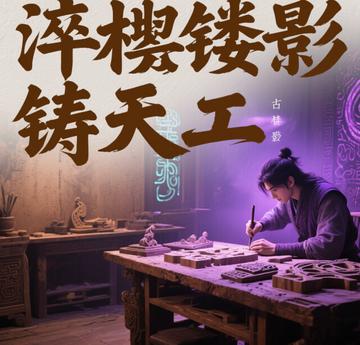
When unusual traces on a Han Dynasty lacquer-eared cup led Chu Linya, a cutting-edge curator, to the black market of stolen cultural relics, he chose an unusual path - to cooperate with Pan Geng, a former tomb robber and restorer with special "experience". Using cutting-edge laser holographic scanning technology, they carefully projected the "phantom shadows" of stolen cultural relics in ancient tombs, trying to capture the fleeting "light and shadow codes" on the murals to crack the anti-theft mechanism that has been dormant for thousands of years and avoid secondary damage. This is not a simple pursuit, but an archaeological experiment about civilized dialogue: under the restrictions of "30% projection ethics" and the rules of "knowledge base atonement", they jointly established a "digital archiving system for stolen cultural relics" to transform historical scars into research nutrients. Chu Linya walks on the tightrope of technology and ethics, using light and shadow to weave cultural relics and ancient tombs, guilt and redemption, the past and the future.