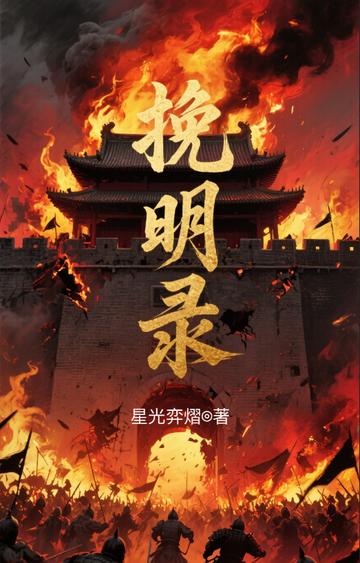
The "Economic History of the Late Ming Dynasty" paper in the 985 Department of History in the 21st century became Lu Chengyuan's life-saving talisman after traveling through time.
Touching the unhealed stick wound on his buttocks and looking at the "water-injection yellow booklet" handed over by a subordinate, Lu Chengyuan suddenly laughed: "Do you think that land annexation is a confusing account? I want to use modern statistical methods to calculate the land and people in Shanyin County!"
When mediating the armed conflicts between the rural people, the "Da Ming Law" was used to dismantle it item by item, and when linking maritime merchants to fight against the Japanese, "profit sharing" was used to replace forced conscription.
When Lu Chengyuan's "pragmatism" spread from the grassroots to the capital, and an eighth-grade clerk was added to Yan Shifan's blacklist, Xu Jie's tea cup paused: "This person is available."
From the history of history to the cabinet staff, he did not seek power and position, but only pursued practical affairs.
He added a stroke to Gao Gong's examination method, and added a strategy to Zhang Juzheng's whipping method; from an eighth-grade official to an imperial staff member, he stood at the center of the struggle over national origin and finally understood: the so-called witnesses of history are not just spectators, but those who do what needs to be done one by one...