Melt the world into a furnace and burn all living beings as fuel!
The way of heaven is overthrown, immortals and mortals are separated forever - treat the common people like stupid dogs, and cut off the souls of mortals on their way to heaven!
Reminiscing about the past·Blood-stained blue sky
The monks reach up to the sky and step on the clouds; they use clever tricks to seize the mountains and rivers, and the mountains and rivers are covered with a snap of their fingers!
Mortals lie in the dust and mud, weeping in desolate graves; life is like an ant's soul nailed to the ground, and life is like fluffing catkins and shattering in the strong wind!
Look at the current situation·The bones are burning
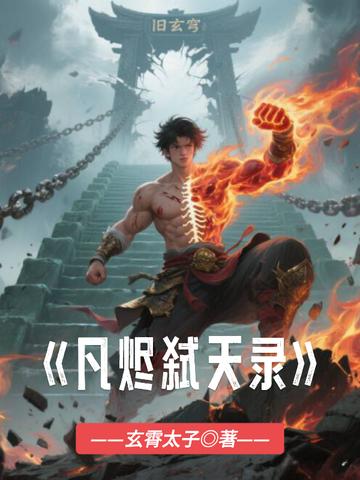
The young man stands on a ruined wall, his spine is pierced by the sun; his body is covered with bruises and his spine is not broken, and his blood and withered bones are cracked and howling into the sky!
There is no blame for all the blood, and the sins of heaven should be punished - "Burn my blood to a thousand bones, split this mysterious sky and replace it with a new one!"
The immortal steps are falling, the gate of heaven collapses, I will use the ashes to build the Great Harmony! "
Reader comments
Book title: "Record of Mortal Ashes Killing Heaven"
Chapter 1 "The blood rain cuts off the mortal world and the lonely house burns the life lamp"
Insightful points:
1. Excellent atmosphere creation: The heavy rain, low lead clouds, and muddy smell at the beginning have successfully created a depressing, desperate, and cold world tone, which perfectly fits the "lower struggle" common in fantasy novels at the beginning, and provides a strong sense of immersion. Environmental description serves the plot and mood rather than piling up rhetoric.
2. The core conflict is sharp and powerful: Chu Huang's "filial piety" and "survival" instincts of desperately searching for a medicine to save his mother form a strong collision with the "rules of heaven" represented by Lin Xiao (mortal life is not worthy of a magical medicine) and the cruel reality of bullying. The plot of the "continuation grass" being trampled to pieces and the "broken leg" is extremely impactful, instantly igniting the reader's sympathy for the protagonist and anger towards the villain, and the conflicting tension is full.
3. The characterization is profound and moving:
Chu Huang: Slim, tough, and touchingly filial. His outburst in despair (throwing himself at Lin Xiao) is in line with the bloody nature of a young man at the bottom. The pain after breaking the leg is described in detail, making the subsequent awakening of "Golden Finger" more reasonable.
Liu: The scene where the sick mother carries her son home is the biggest tear point in this chapter. The whisper of "there is a way forward only when you are alive" vividly depicts the humble tenacity of the people at the bottom in desperate situations and is extremely contagious.
Lin Xiao: As an early villain, he has a clear face of being cold, contemptuous, and treating human life as nothing, which fits the typical image of a "rich family/sect dude" and lays the groundwork for subsequent conflicts.
4. The timing of Goldfinger's awakening is ingenious: When the protagonist is on the verge of death, desperate, and physically and mentally collapsed, the ancient runes and the whisper of "mortal body forging a hegemonic body" appear, and the timing is perfect. This is not only a gift of power, but also a subversive declaration of the "rules of heaven", instantly igniting readers' expectations for a counterattack. The contrast between the "mortal body" and the "overlord body" in the setting is very attractive.
5. The "rules of heaven" are clearly set: Lin Xiao and his followers repeatedly emphasized that "mortal lives are cheap and are not worthy of elixirs, and heaven determines the rules." This clearly outlines the core hierarchical concepts and cruel laws of the world, providing a clear goal and a huge basis for dramatic conflict for the subsequent protagonist to change his destiny against heaven.
What can be improved:
1. Some descriptions are slightly lengthy: environment descriptions and action details (especially the fighting process) can be more refined in some places to avoid slowing down the pace. For example, the description of Lin Xiao's kicking action can be simplified slightly, retaining its ruthlessness, and focusing on the result (broken leg) and the pain of the protagonist.
2. The role of the idle man has a single function: The role of the pointing and pointing idle man at the beginning is mainly to set the atmosphere and strengthen the protagonist's humble situation. Consider giving them a little bit of subsequent relevance (even if only slightly), or making their taunts more distinctive and avoid being purely tool backgrounds.
3. The uniqueness of the "overlord body" golden finger needs to be strengthened in the future: the concept of "overlord body" is relatively common in fantasy. The glimpse at the end of this chapter is attractive enough, but the unique characteristics of this "hegemonic body" need to be shown as soon as possible in the follow-up (such as the wild, unyielding, devouring, etc. Characteristics associated with the blood rune) to avoid falling into clichés and truly capture the readers.
4. Information density and rhythm balance: This chapter has a huge amount of information (background, conflict, characters, world view, cheats), and is emotionally depressing and heavy. After such a high-intensity opening, attention should be paid to adjusting the rhythm and gradually releasing information in subsequent chapters, giving readers room for emotional buffering and digestion.
Summary:
This chapter can be called a textbook-level demonstration of the beginning of fantasy. It firmly captures the hearts of readers with its intense description of the environment, sharp and profound conflicts, vivid and touching characters (especially the love between mother and child), and the clear exposure of the core world view (the law of heaven is unfair). The protagonist's subversive Golden Finger awakening in a desperate situation has precise timing and a setting full of potential, which instantly arouses readers' expectations. Although there are some details that could be polished (such as the refinement of some descriptions and the subsequent display of Goldfinger's uniqueness), its overall degree of completion is extremely high, with strong emotional impact and full of dramatic conflicts. It perfectly meets the core demands of fantasy readers for "waste counterattack", "breaking the way of heaven", and "passionate revenge", and has strong appeal and potential for further reading. A very successful opening!
Book title: "Record of Mortal Ashes Killing Heaven" Chapter 1 "The blood rain cuts off the mortal world and the lonely house burns the life lamp" Insightful points: 1. Excellent atmosphere creation: The heavy rain, low lead clouds, and muddy smell at the beginning have successfully created a depressing, desperate, and cold world tone, which perfectly fits the "lower struggle" common in fantasy novels at the beginning, and provides a strong sense of immersion. Environmental description serves the plot and mood rather than piling up rhetoric. 2. The core conflict is sharp and powerful: Chu Huang's "filial piety" and "survival" instincts of desperately searching for a medicine to save his mother form a strong collision with the "rules of heaven" represented by Lin Xiao (mortal life is not worthy of a magical medicine) and the cruel reality of bullying. The plot of the "continuation grass" being trampled to pieces and the "broken leg" is extremely impactful, instantly igniting the reader's sympathy for the protagonist and anger towards the villain, and the conflicting tension is full. 3. The characterization is profound and moving: Chu Huang: Slim, tough, and touchingly filial. His outburst in despair (throwing himself at Lin Xiao) is in line with the bloody nature of a young man at the bottom. The pain after breaking the leg is described in detail, making the subsequent awakening of "Golden Finger" more reasonable. Liu: The scene where the sick mother carries her son home is the biggest tear point in this chapter. The whisper of "there is a way forward only when you are alive" vividly depicts the humble tenacity of the people at the bottom in desperate situations and is extremely contagious. Lin Xiao: As an early villain, he has a clear face of being cold, contemptuous, and treating human life as nothing, which fits the typical image of a "rich family/sect dude" and lays the groundwork for subsequent conflicts. 4. The timing of Goldfinger's awakening is ingenious: When the protagonist is on the verge of death, desperate, and physically and mentally collapsed, the ancient runes and the whisper of "mortal body forging a hegemonic body" appear, and the timing is perfect. This is not only a gift of power, but also a subversive declaration of the "rules of heaven", instantly igniting readers' expectations for a counterattack. The contrast between the "mortal body" and the "overlord body" in the setting is very attractive. 5. The "rules of heaven" are clearly set: Lin Xiao and his followers repeatedly emphasized that "mortal lives are cheap and are not worthy of elixirs, and heaven determines the rules." This clearly outlines the core hierarchical concepts and cruel laws of the world, providing a clear goal and a huge basis for dramatic conflict for the subsequent protagonist to change his destiny against heaven. What can be improved: 1. Some descriptions are slightly lengthy: environment descriptions and action details (especially the fighting process) can be more refined in some places to avoid slowing down the pace. For example, the description of Lin Xiao's kicking action can be simplified slightly, retaining its ruthlessness, and focusing on the result (broken leg) and the pain of the protagonist. 2. The role of the idle man has a single function: The role of the pointing and pointing idle man at the beginning is mainly to set the atmosphere and strengthen the protagonist's humble situation. Consider giving them a little bit of subsequent relevance (even if only slightly), or making their taunts more distinctive and avoid being purely tool backgrounds. 3. The uniqueness of the "overlord body" golden finger needs to be strengthened in the future: the concept of "overlord body" is relatively common in fantasy. The glimpse at the end of this chapter is attractive enough, but the unique characteristics of this "hegemonic body" need to be shown as soon as possible in the follow-up (such as the wild, unyielding, devouring, etc. Characteristics associated with the blood rune) to avoid falling into clichés and truly capture the readers. 4. Information density and rhythm balance: This chapter has a huge amount of information (background, conflict, characters, world view, cheats), and is emotionally depressing and heavy. After such a high-intensity opening, attention should be paid to adjusting the rhythm and gradually releasing information in subsequent chapters, giving readers room for emotional buffering and digestion. Summary: This chapter can be called a textbook-level demonstration of the beginning of fantasy. It firmly captures the hearts of readers with its intense description of the environment, sharp and profound conflicts, vivid and touching characters (especially the love between mother and child), and the clear exposure of the core world view (the law of heaven is unfair). The protagonist's subversive Golden Finger awakening in a desperate situation has precise timing and a setting full of potential, which instantly arouses readers' expectations. Although there are some details that could be polished (such as the refinement of some descriptions and the subsequent display of Goldfinger's uniqueness), its overall degree of completion is extremely high, with strong emotional impact and full of dramatic conflicts. It perfectly meets the core demands of fantasy readers for "waste counterattack", "breaking the way of heaven", and "passionate revenge", and has strong appeal and potential for further reading. A very successful opening!