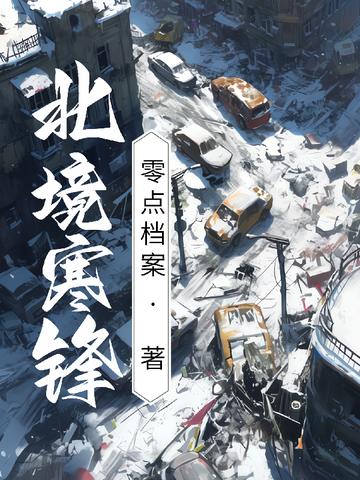
In the bitter winter of 1992, Longjiang City, a major industrial hub in the north, struggled to catch its breath amid the pains of economic transition. A man's corpse, brutally entombed in concrete, was discovered in an abandoned steel mill, one rigid hand frozen as it pointed toward the gloomy sky. Qin Feng, head of the municipal public security bureau's forensic center, was a cool and formidable man with both top-tier forensic expertise and impressive combat skills. Deep in the wounds and the concrete encasing the body, he found strange, tiny rust-colored particles, an unusual industrial residue. Working alongside Chen Guo Tao, an experienced criminal investigation captain constrained by the system, Qin Feng painstakingly pieced together the clues, relying on insight and logic far ahead of their time in an era of poor communications and primitive technology. They were up against a phantom who hid murder beneath industrial waste, killed with brutal cunning, and was exceptionally skilled at evading investigators. The scattered rust-colored particles were like a deadly code left behind by the killer, quietly linking Longjiang City's buried old wounds to the turbulent undercurrents of its transition.
From the cold autopsy table to rust-stained, abandoned workshops, from the desperate struggles of the lowest ranks to tangled webs of vested interests, The Cold Edge of the Northern Frontier tells how forensic investigator Qin Feng uses bones as evidence and dust as a key to dissect a shocking cold case spanning years and involving multiple bloody threads. In the bitter winds of the northern frontier, he makes the silent steel ring with the long-delayed echo of the truth.