Historical anchor: Strictly follow the timeline, character relationships and major events recorded in historical materials (such as the attack on Shu, the attack on Pyu, the construction of temples, etc.), And the literary interpretation is based on the social style of Nanzhao (refer to "Manshu", "New Tangshu", etc.).
Cultural integration: highlighting the cultural integration of Han, Yi, Bai and other ethnic groups, the interaction between Tantra Buddhism and Central Plains Buddhism, and restoring historical scenes through details such as architecture, clothing, language, and religious rituals.
Character arcs: Princess Luo Ci's growth from a tribal girl to a palace politician, Quan Fengyou's transformation from a young king to a mature monarch, and Wang Cuodian's tragedy from a powerful minister to his end, all set up progressive conflicts and transitions.
Spatial narrative: Taking Yangju City (Dali), Shanchan Prefecture (Kunming), and Luo Ci Tribe (Lufeng) as the core scenes, it intersperses with Chang'an, Chengdu, Piao State and other regions to build a three-dimensional Nanzhao world.
Legends and historical facts: Incorporate folk elements such as "Green Yuan", "Coptidis Tea Tree" and "Beauty City" into the narrative, and enhance the story quality through a dual-line structure of "historical records + folk oral narratives".
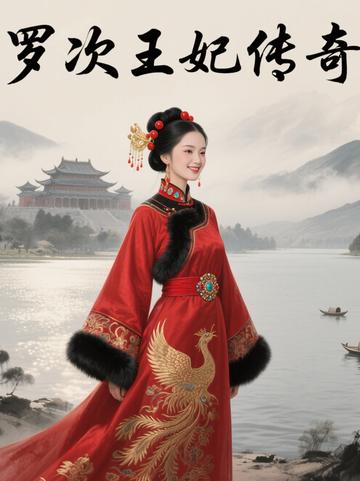
This book is very beautiful
It looks great, come on