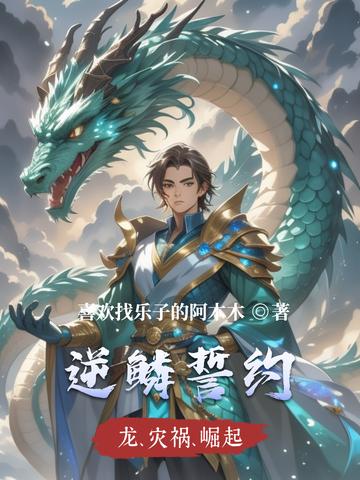
In a world where magic requires a contract with a living creature, I chose the last endangered ancient dragon.
The Church calls them “the source of calamity,” while the kingdom sees them as “weapons out of control.”
When our contract was sealed, our blood mingled, and our power surged until it could tear the sky apart.
The Church declared in terror that we were the new calamity, and the kingdom’s knights began hunting us down.
As we fled, the ancient dragon told me, “The Church and the royal family are the true culprits behind the slaughter of the dragons.”
What they fear isn’t the dragons’ power at all, but the bloody betrayal buried in the dragons’ memories three hundred years ago.


The most outstanding highlight of the novel lies in the top-level design of its power system. It transcends common energy level confrontations and elevates conflicts to the "law level". Whether it is Carlisle's "Ashes Furnace" (balancing finality and order), Leah's "Order Fabric" (analysis and reconstruction), or the distorted evolution of "Abundance Pollution", or the cold observation of "The Sower", they are essentially the embodiment and collision of different cosmic laws. The setting of the core concept of "the thread of life" is particularly exquisite. It is not a simple creation or healing, but a kind of law manipulation that forcibly gives chaos a temporary "form of order" on the soil of destruction. This is not only a means of combat, but also sublimated into a philosophical metaphor - in absolute despair, how to cultivate small but real hope by understanding, guiding and even "using" destruction itself. Carlisle's transformation from "Chaos Monster" to "Ember Furnace", and Leah's growth from "Guardian" to "Astropathizer" and "Wispweaver" are all perfect plot carriers for this core setting.