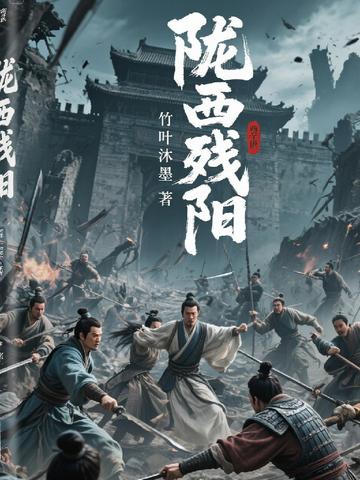
At the end of the Western Jin Dynasty, the Eight Kings Rebellion tore apart the mountains and rivers, and the Five Barbarians trampled the Central Plains to pieces. As the leader of the Han people in Longxi, the Cui family in Longxi struggled with family survival, cultural inheritance and salvation in troubled times. Cui Xuan, the legitimate son, bears the century-old glory of the Cui family in Qinghe, and takes "the festival of martyrdom for the country" as his ancestral motto, but he is deeply torn between love and family: he falls in love with Lu Wan, the daughter of the Lu family in Fanyang, and is forced to marry Yun, the queen of the Wang family in Taiyuan due to a political marriage; while in exile, he fights to the death with Murong Yunshu, the female leader of Xianbei, but secretly develops a bond. From the burning of the city in Luoyang to the southern crossing of Yongjia, from organizing the refugee forts to fight against the Hu to guarding the cultural fire of Longxi, Cui Xuan's decision reflects the tragic ending of the entire gentry class - when the dynasty collapses, only the "family" becomes the last territory. After Cui Xuan died fighting to protect the Han family and cultural heritage, his son Cui Li inherited the Cui family's spirit of Marshal White Horse and worked with Cui Xuan's three widows to protect the Han family and cultural heritage.
Reader comments
It's good to watch, it depicts the powerlessness of that era, but it's also really uncomfortable. The more I watch it, the more tired I am [Petrochemical]
It's good to watch, it depicts the powerlessness of that era, but it's also really uncomfortable. The more I watch it, the more tired I am [Petrochemical]