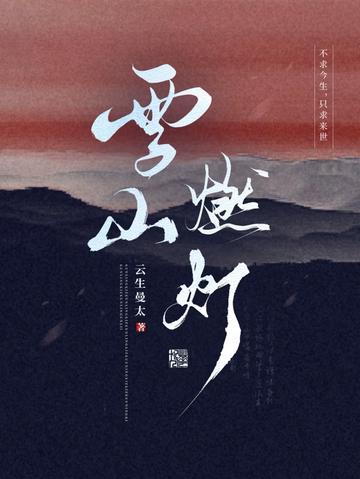
[Soul transmigration, alternate history, love that goes both ways, past and present lives]
[Renowned novelist VS King of Tibet's snowy highlands]
Do you believe people really have past and present lives?
Ever since childhood, Yunqi Jialan has heard a monk in robes chanting poems in her dreams. She later discovers that all the poems come from the same place and were written by the same person: Tsangyang Gyatso, the Sixth Dalai Lama of Tibet!
Determined to unravel the mystery, she sets out alone. But when she wakes one day, she has transmigrated to more than 300 years in the past, her soul attached to the body of a little girl!
And this little girl is Tsangyang Gyatso's first love!
She was supposed to be merely a witness to history, yet again and again she drags the exalted Living Buddha down from his pedestal. Each time, she pays for it with her life.
Tsangyang Gyatso's eyes redden as he gently cradles her face in his hands. “I was wrong. I should have recognized you sooner...”
At Qinghai Lake, he prayed to the mountain god: I would gladly burn this life to ashes, if only I could become the breeze that recognizes you at first sight among the flowers in our next life.
Asking for nothing in this life, only the next.
"Living in the Potala Palace, I am the biggest king in the snowy land; wandering on the streets of Lhasa, I am the most beautiful lover in the world." He is a living Buddha and a poet who struggled between faith and the mortal world throughout his life.
It's a good article! You can see the author's rigor in writing. At the same time, for the part about the guru, the transformation of identity and thought from a free man to the king of the snowy land can also be well described.

"Living in the Potala Palace, I am the biggest king in the snowy land; wandering on the streets of Lhasa, I am the most beautiful lover in the world." He is a living Buddha and a poet who struggled between faith and the mortal world throughout his life.
It's a good article! You can see the author's rigor in writing. At the same time, for the part about the guru, the transformation of identity and thought from a free man to the king of the snowy land can also be well described.