Synopsis of The Spirit Banner and Wu Duo
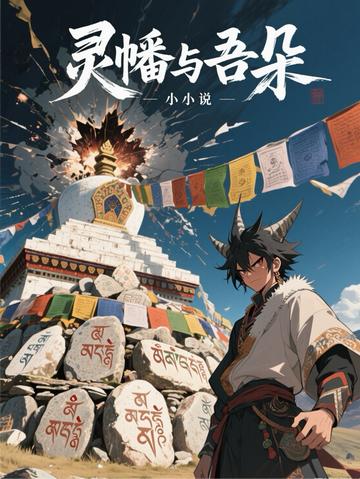
In a hidden land of Tibet lashed by wind and snow, the girl Wu Duo clutches a bloodstained spirit banner, a token of passage to the afterlife warmed by her mother's last trace of body heat. As the prayer flags snap in the gale, dark-red patterns suddenly seep across the mani stones in the cairn, and the copper bell at her waist rings out broken incantations in time with her heartbeat.
The sacred mountain that once protected the village crumbles in a black fog. Her father's yak skull is nailed to the highest prayer-flag pole. Wu Duo steps over the frozen earth and picks up the broken banner cord. Her fingertips brush the six-syllable mantra embroidered on the banner. Now, it is no longer merciful. It is like a beast awakened from its cage, leaving a burning mark in her palm.
"The spirit banner doesn't summon souls. It summons the grievances of this world." Before the old Tibetan doctor died, he pressed half a piece of meteoric iron carved with demonic markings into her hand. When she fits the iron into the mani cairn, countless prayer flags suddenly whip around in reverse, and the faces of the dead appear on every banner. At last, the blood-soaked incantations become a world-darkening shadow as she raises the pole.
This time, she is no longer a young witch who performs rites to send the dead on their way. As the spirit banner bursts into thousands of blades of light, Wu Duo watches the sorcerers riding toward her in the distance. The red mark at the corner of her eye spreads with her killing intent. Faith that has been trampled will have its revenge, and the banner in her hand is both a lantern guiding souls and a blade to cut down the burden of sin.
The mani cairn beneath the snow-capped mountain trembles. When the first bloodstained prayer flag falls, Wu Duo's revenge has only just begun...
Key elements: Tibetan customs, spirit-banner curses, a girl's revenge, and a struggle between gods and demons
Style: Dark fantasy and fiery coming-of-age, exploring the light and darkness of human nature through faith and hatred.








There are more elements of this national culture, which is wonderful