Dying Is for the Sake of Living
Serious literature: suffering is the fertile soil of literature
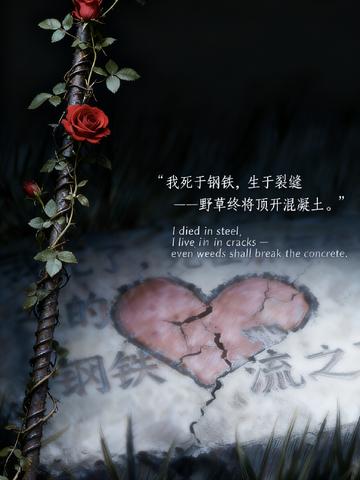
The Crack in the Flood of Steel: A youth crushed by the gears of its era, blooming into a bloodied flower amid rust and salt
Fifteen-year-old Xiangyu stands at a crossroads. On one side are his parents' cold stares after he fails the high school entrance exam; on the other, the twin gallows of a weight-loss camp and a construction site. When a hard hat replaces his student ID and the cold steel of rebar pierces a boy's dreams, his body becomes a battlefield of cement dust and crystallized sweat. The hardened crust of salt on his back is a medal of industrial civilization; the winding scars on his arms are an epitaph for his youth.
Amid the din of the cement mixer, he hears his mother coldly announce that she is redirecting his education fund to his younger brother. He sees his father convert the sweat and blood he has shed into a crumpled fifty-yuan note. At night in the workers' shack, a flash of tender green always appears in his broken dreams. It is the wild grass soaked with urine beneath the wall, and also his soul, not yet smothered. When a piece of rebar cuts into his flesh, he realizes for the first time that pain is more like proof of being alive than numbness is.
This is not a passionate tale of turning one's life around, but a requiem for all the


This is not the suffering history of a young man, but the pathological report of an entire silent class. The author uses his pen as a chisel to cut through the hardened surface of a warm society, revealing its cold reinforced concrete interior. When a "grass sprout" struggles out of the "concrete heart", what we witness is not hope, but the most brutal and poetic revenge of life itself.