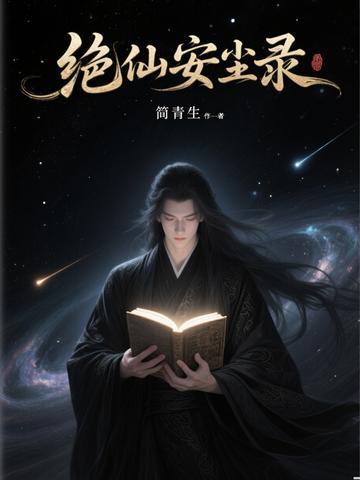
The protagonist Gu Anchen, as an awakener of the "chaos attribute", founded the path to return to immortality, and led 49 members (three-quarters of whom were human, all wearing engraved masks and black and white entangled cloaks) to practice the cultivation path of "enlightening the world and becoming immortals". However, because he denied the orthodox path of "believing in gods and becoming saints" in the world, he was regarded as "evil cultivators" by both good and evil forces and was surrounded and suppressed.
The conflict of world views is rooted in the fundamental opposition of the cultivation system: the world follows the divinely taught path of "ten star points and one pulse, and ten veins to create a world" to climb the six realms of "stars, veins, realms, domains, mansions, and Tao", and finally become "gods"; Gu Anchen, in a defiant manner, opened up the path of immortality of "eighty-one star points to one pulse, and eighty-one veins to create a world", and his "Thirteen Realms to Transform the Realm" Due to the chaotic attributes, his strength will be banned after absorbing the attributes, leaving only his physical strength.
The relationship between the characters is intertwined with fateful bonds and fission of ideas: Gu Anchen, Xie Jingchen, who has "time attributes", and Gu Buwei, who has "repulsive gravity attributes", have been close as brothers since childhood, but they broke up due to differences in methodology of "saving the continent" - Gu Buwei witnessed the bloody nature of the belief system and turned from "upright" to "extreme destruction of the world". In the end, with the contradictory attitude of "contradictory ideas but the same goal", he became the ultimate villain that made readers uncomfortable. The story revolves around the core image of "the immortal loves the mortal world and refuses to return". In the delicate emotions and fierce battles, it dissects the struggle between the Taoist heart of "using darkness to promote light" and "breaking the light to be reborn". The foreshadowing hides a profound interrogation of "orthodoxy" and "heresy".