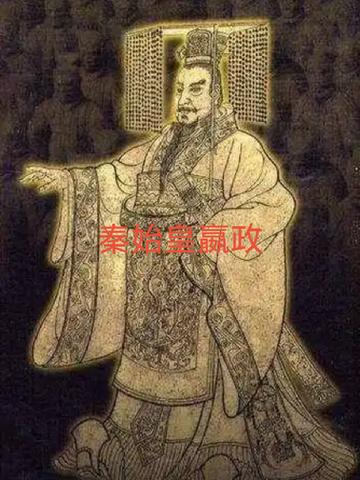
Qin Shihuang Yingzheng (259 BC-210 BC) was the first emperor in Chinese history to achieve great unification. As a boy, he was held hostage in Zhao State and suffered bullying. He succeeded to the throne of Qin at the age of 13. In the middle age (230 BC - 221 BC), he swept across the six countries with thunderous momentum, established China's first centralized dynasty, called himself the "First Emperor", and implemented pioneering reforms such as writing with the same text, chariots with the same track, and unifying weights and measures. In his later years, he carried out extensive construction projects, built the Great Wall and Afang Palace, burned books and harassed Confucian scholars in pursuit of immortality. He died of illness on a tour at the age of 49. After his death, Zhao Gao and Li Si tampered with the imperial edict and accelerated the demise of the Qin Dynasty. His life had mixed success and failure: he not only laid the foundation of China's political system for more than 2,000 years, but also left a reputation as a tyrant because of his harsh punishments and laws. He was called "one emperor through the ages" by later generations.