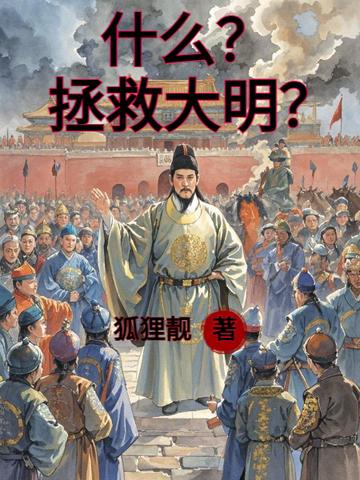
Wait, save the Ming dynasty?
Li Qiang woke up after being hit by a billboard, only to find himself as Zhu Qiyu, the Jingtai Emperor of the Ming dynasty. The corpses at Tumu Fortress had barely grown cold, and the Oirat cavalry was already at the gates of Beijing.
Calls to move the capital rang out in court, but to everyone’s astonishment, he slammed the table and declared, “The Son of Heaven guards the nation’s gates; the sovereign dies with his realm!”
He improved firearms, used modern sales tactics to persuade the ministers, and personally led a new army out to fight.
Amid the smoke of battle, he captured Aruna, daughter of Esen Taishi, then whispered to her, “Rather than be a pawn in a political marriage, why not become an empress yourself?”
When his reforms threatened the old party’s interests, the assassin Ye Hongxiu pointed her sword at his throat.
He caught her wrist. “Miss, work with me. I’ll double your commission and provide full benefits.”





The plot has ups and downs and is worth watching.
I like the Ming Dynasty very much, but Zhu Qizhen, the God of War of the Ming Dynasty, is not very good in the future. This book is written in my heart. I like it @ Fox Pretty [plus one on the bookshelf] Among the many online articles that traveled through the late Ming Dynasty and supported the self-respect of soldiers, this book can be called a "countercurrent". The author does not indulge in the thrill of personal hegemony, but uses solid historical insight to point out a cruel truth: without control over finances and personnel, the central government will exist in name only. This is not a traditional cool novel, but a hard-core deduction that subverts cognition. Readers who like to think deeply about the predicament of Ming history and who are tired of mindless hegemony routines are warned: Readers looking forward to Long Aotian-style warlord novels may feel "heartbroken". This is a hard-core book that allows you to let go of your fantasies and face the desperate dilemma of the late Ming Dynasty!