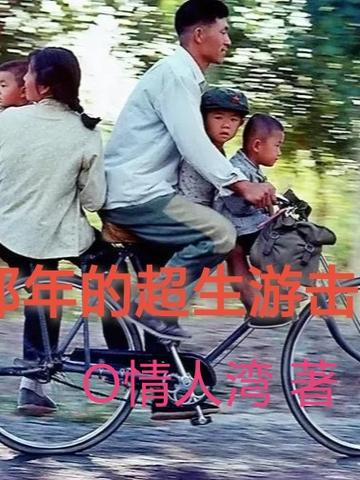
"The Year of the Childbirth Guerrilla" is based on the family planning policy of the 1970s to the 1990s, focusing on the survival and struggle of families who have had children. The novel uses scenes from Yimeng, Shandong, and villages in northern Anhui to show the fierce collision between traditional fertility concepts and modern government orders under the rigid implementation of policies.
Central content:
- Survival difficulties and the mark of the times: In order to avoid inspection, families with extra children lead a wandering life, such as living in shacks, assuming identities, and hiding across regions. They face economic poverty (such as selling pigs to pay off debts and eating wild vegetables to satisfy hunger), social discrimination (labeled as "black households"), and psychological oppression (fear of pursuing soldiers, separation of family ties).
- Civil games and the struggle of human nature: The grassroots fight against the policy with wisdom such as "fake divorce", "resurrecting corpses" and "water guerrillas", and family planning cadres are also caught in the ethical dilemma of "legal principles" and "human feelings", revealing the complexity and violent tendencies of policy implementation (such as forced abortions and home raids).
- Individual narrative and collective memory: Through real cases such as "birth in a broken kiln", "baby floating in an iron bucket", and "removal from the ancestral hall", we connect the sufferings such as separation and lack of education, and give historical warmth through first-person oral narration, showing the resilience of life and the trauma of the times.
- Policy changes and social reflection: From the "one-child policy" to the "two-child policy", sort out the evolution of policy logic, reflect on issues such as aging and gender imbalance left over from birth, and ask about the cost of transferring individual rights under the collective narrative.
Creation purpose:
- Record special historical slices: Preserve the folk memory of the "Supernatural Guerrilla", a product of the era, in literary form, and fill in the individual life history outside of the official narrative.
-