All things in heaven and earth are driven and governed by qi.
Qi circulates in cycles according to the Heavenly Stems and Earthly Branches, the generating and overcoming cycles of the Five Elements, and the flow of energy through the meridians by the hour. The human body is a miniature universe. Its meridians and organs, the ebb and flow of qi and blood, constantly resonate with the stars and the changing seasons.
When modern technology arrived with a thunderous roar, people took up microscopes and genetic sequencing, trying to break the human body down into cells and molecules. But instruments can detect physical lesions, not the intangible qi. Qi is not a material thing; it is the order of heaven and earth reflected in the body. It's like staring at the strokes of paint on a canvas and never understanding the joy and sorrow behind the painting.
Medical equipment can only sound the alarm after organs have suffered structural damage. Ancient Chinese medicine, however, can detect imbalance as soon as the flow of qi begins to falter. For instance, difficulty sleeping during the hour of the ox points to disturbance in the liver meridian.
Yet as civilization races forward, it also creates blind spots in the order of heaven and earth. Drugs that kill harmful bacteria disrupt the exchange of qi between the human body and the microbial communities of the natural world. Artificially triggered immune responses trap defensive qi at the body's surface, where it should have flowed through the meridians, sowing the seeds of internal weakness.
A medical system built on material reductionism can see flesh and blood, but has lost sight of the whole “person.” When this fragmented way of thinking becomes dominant, how can the sleeping wisdom of the unity of heaven, earth, and humanity awaken?
It takes a desperate young man opening a dusty ancient book in his ancestors' cellar...
For him to discover that technology can see cells, but not “qi”;
And instruments can measure indicators, but not reveal the laws governing the body's yin-yang changes.
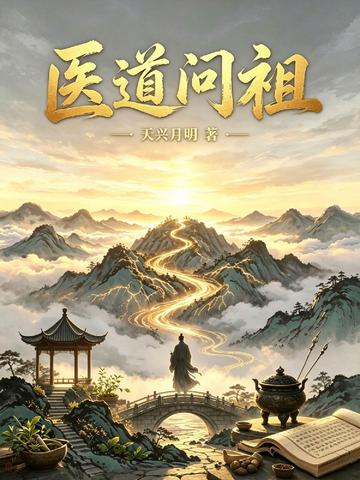
It looks good, the plot structure is clear, and the content is solid. Let's not talk about the writing style. The content of the article is still quite to my liking [top post]
The narrative is clear, the events are arranged reasonably, the structure and levels are clear, and the sentences are fluent. Good book.
It's very beautiful and worth recommending.
The plot content is very good, the characters are well drawn, and the author really understands Chinese medicine knowledge! Although it has shortcomings, it is at least very fruitful [please ask for more updates]