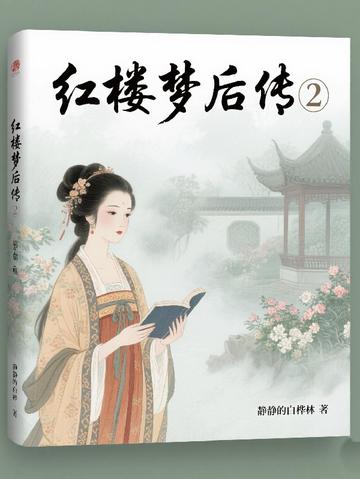
Introduction to "The Legend of Dream of Red Mansions"
After "the vast white land fell, the earth was so clean", the Jia Mansion, where the bells and cauldrons were ringing in the past, has become ruins, but it is also the starting point of a new story. This story uses the ending of the original work of "A Dream of Red Mansions" as a wedge to continue the wandering lives of Jia Baoyu, Li Wan, Qiao Jie and other characters after their homes were confiscated, and outlines a picture of the relationship between all living beings after the destruction of the feudal family.
After the house was ransacked, Baoyu woke up from his confusion and faced the tragic situation of the trees in Jia's mansion falling and the hozens scattered. With his close relatives separated and his slaves dispersed, he struggled to survive with the help of King Beijing and the remnants of his old friend; Li Wan struggled to survive with his sick sister Qiao, and Ping'er ran around, guarding the last bloodline of the Jia family in the midst of hardship; was hunted for the crime, but was rescued by Xue Baoqin, who had returned from a distant marriage; and the twelve beauties of Jinling who were scattered had their own ups and downs - Xiangyun was struggling in hardship, the fragrance of welcoming spring faded away, and he traveled across the ocean to explore the spring, and Baochai tried to rewrite "Female Commandments" in Jinling. .
The story not only continues the tragic tone of the original work, "Thousands of reds cry, and thousands of beauties share the same sorrow", it also digs deeper into the characters' will to survive and their emotional bonds in desperate situations. Through scenes such as the dilapidated Grand View Garden and the overgrown Lotus Champs, it shows the strong contrast between the prosperity of the prosperous times and the desolation of the troubled times; through Baoyu's recollection of the past and the ups and downs of the fate of the women, it explores the tenacity and helplessness of human nature. In the vicissitudes of history, it composes an elegy for the end of the feudal aristocracy, and at the same time explores the faint but immortal brilliance of humanity in the ashes.