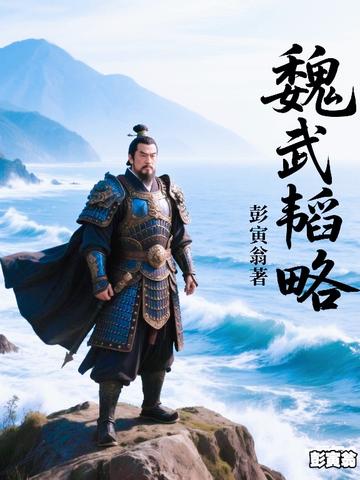
In the winter of the thirteenth year of Jian'an, the fire at Red Cliff illuminated not only the Yangtze River, but also the thousands of shadows of human nature in the whirlpool of power. This hero, who is known as "a capable minister in times of trouble and a traitor in troubled times", holds the cold light of the bronze sword in his left hand and the fragrance of ink on the bamboo slips in his right hand. His horse's hoofs trampled countless cities, but sowed the fire of farming system in the ruins; his machinations strangled many opponents, but nourished the Jian'an character in a pool of blood. When we reduce him to a white-faced treacherous minister or a fierce hero, are we falling into the "corrupt Confucian view" that he most ridiculed during his lifetime? History never judges the winner, but only inscribes on the scroll stained with blood and ink the soul forever burning in the contradiction - it is he who burns incense to worship the heaven, it is he who composes poems on the horizontal tree, it is he who massacres the city and surrenders, it is he who shares the incense and sells his shoes when he is dying. Such torn yet unified chaos is the most breathtaking specimen of China's five thousand years.
This work is based on "Three Kingdoms" and textual excavations to restore the true side of Cao Cao (Prime Minister Cao, Emperor Wu of Wei), witnessing his role as prime minister in the late Eastern Han Dynasty. What are the similarities and differences between him and Prime Minister Zhuge in my previous historical work "Prime Minister Zhuge's Southern Expedition"?