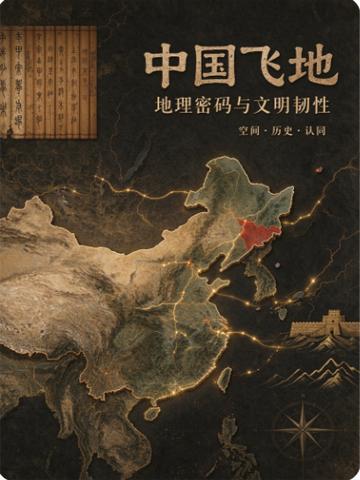
This is a civilizational epic that decodes the “geographical enclaves” scattered across China. From the waves of rice in the Heilongjiang reclamation zones to the glaciers of the Qinghai-Tibet Plateau, from the “economic enclaves” of the Yangtze River Delta to the “ethnic enclaves” in the southwestern borderlands, this book uses 30 representative enclaves as its coordinates. It looks beyond the surface of administrative boundaries to recover forgotten cultural genes from the folds of satellite maps.
You will discover how the Qing dynasty’s policy of replacing native chieftains with centrally appointed officials shaped the administrative code of modern enclaves; how a Shanghai farm labor camp transformed into the Yangtze River Delta’s “digital granary”; and how Hebei’s “Three Northern Counties” evolved from “bedroom communities” into a proving ground for coordinated development in the Beijing-Tianjin-Hebei region. These enclaves are both living specimens of geography and tangible expressions of five thousand years of civilizational resilience: holding fast in isolation, being reborn through movement, and coexisting amid difference.
Open this “Encyclopedia of Enclaves” and you will gain more than knowledge. You will embark on an intellectual journey exploring space, power, and identity.