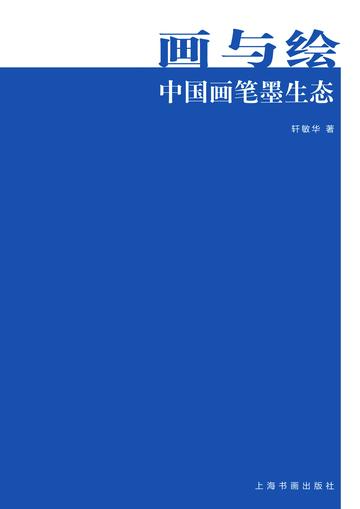
This book attempts to deduce the evolution of the formal language of Chinese painting from the perspective of the tradition of pen and ink, focusing on the decisive influence of the spiritual intention of Chinese painting from "humanities" to "astronomy" in the composition of the formal language of painting, as well as the specific manifestation of this influence in the grid method of painting, trying to clarify people's common misunderstandings in the process of verifying this issue. It reveals the formation of traditional Chinese painting techniques, the establishment of aesthetic standards, and the factors that contributed to changes in painting styles. The author's answers to this series of questions in the book will help readers gain a deeper understanding of the artistic context on which pen and ink rely for its survival and development, and expand the methods and perspectives of traditional Chinese painting research.