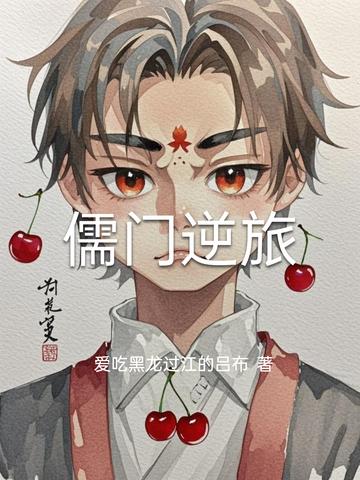
In the Wuyue Dynasty, where the imperial power imprisoned craftsmen in a "vein cage", Shen Yanzhi, a descendant of the Shen family, accidentally discovered the connection between the ancestral fire gun and the town's bamboo tripod, revealing the secret of Taizu forging the imperial weapon with the blood patterns of craftsmen three hundred years ago. When the burnt bamboo whistle left by his father resonated with the three hundred craftsman souls in the cauldron, he finally understood: the so-called blood crest is nothing more than a noose raised by the imperial power, and the true craftsmanship is hidden in the palm lines of each tool that is held tightly.
From cracking the Mohist pattern identification lock in the Taiji Palace and reversing the fire pattern with the "craftsman soul pattern", to taking the remaining craftsmen to the west and north of the Great Wall, and rebuilding the "Uldur Kaiwu" sky city on the meteorite iron gears of the old capital of Tiele, Shen Yanzhi led the world's craftsmen People broke down the boundaries between regions and races - Wu Yue's bamboo knives danced with Saibei's bone chisels, Persian flowing fire patterns merged into Turkic meteorite iron patterns, and the banned forging hammers, ink buckets, bamboo knives and other thousands of craftsman patterns turned into sparks that broke through the cocoons in the process of quenching and weaving.
The story uses veins as the key, tapping into the millennium game between imperial power and craftsmanship, and writing a long song of "the craftsman creates the patterns of heaven and earth himself": when tools are no longer the shackles of slavery, the calluses on the palms can measure the world, allowing the way of opening things to beat in the palms of every person who dares to hold the tools, becoming an eternal spark of civilization.