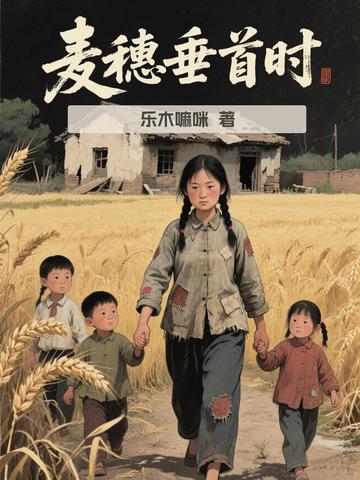
In the winter of 1974, in a poor village, sixteen-year-old Li Guoxing became the sole support of her four younger siblings after her deaf-mute mother died of illness. Her baby sister starved to death in her swaddling clothes. Her father’s family background was tainted by unresolved historical issues, and her nineteen-year-old brother’s marriage prospects fell through for the same reason. Furious, he broke with the family.
From that day on, Li Guoxing’s frail shoulders bore the weight of the entire family. Like a stubborn stalk of wheat, she struggled to grow in barren soil. To arrange a marriage exchange for her brother, she sacrificed her own happiness for life and married a frail, inept stranger. To feed her younger siblings, she chewed tree bark and stole grain. To protect her second younger sister, she took up a shovel against the brother-in-law who was abusing her. She watched her cousin, who had grown up alongside her, take her own life in a desperate attempt to win back her cheating husband. Her uncle lost his child in old age and had to hide the truth from Grandma. In order to have a son, she hid in a cellar, only to lose the boy she had finally given birth to after enduring a difficult labor and fleeing from place to place...
After decades of hardship, her younger siblings each made their own lives. Her second younger sister married a demobilized soldier, her second younger brother found a good wife, and her youngest brother rose through the ranks after enlisting, but gradually grew distant from his family. Li Guoxing’s marriage was full of wounds, but neither her mother-in-law’s torment, her husband’s cowardice, nor the pain of losing child after child could crush her. In her seventies, her children were devoted to her and she lived happily in her old age. Only her youngest brother’s coldness remained like a thorn she could never pull from her heart.
This is a story of sacrifice and resilience.
It is the story of countless big sisters from that era.
It is the deepest furrow left behind when history rolls over ordinary people.
Yes, the story is vivid and vivid