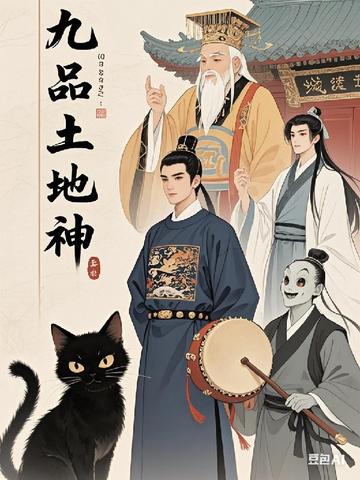
Have you ever seen an earth god who needs to memorize auspicious KPIs? In this absurd fairyland where merit is measured by gold powder and auspiciousness is piled up by data, the Ninth Grade Earth God Li Changgeng is holding half a piece of bloody wormwood and smiling bitterly - the gold-patterned medicine bag of the Taiyuan Hospital contains the grassroots folk remedy that his father sewn with patches; the unworthy ghost servant Chen Qinghe is swinging a cracked salesman's drum, the drum head is engraved with the barnyard spike pattern painted by the tiger boys with stove ash. One of them drew false auspicious clouds on the merit report, and the other used rice water to break the auspicious illusion in the dilapidated temple alley. They worked together to cut a gap between the gold powder and the barnyard ears to leak light.
When the black iron scale of the Hall of Merit was about to crush the last barnyard seed, Chen Qinghe's peddler's drum suddenly beat - not fairy music, but the heartbeats of thirty-six households. Those grass-root remedies, leaky stoves, and even the crooked cloud patterns drawn by children that have been judged "invalid" by the heaven are growing along the earth's veins, and will eventually break through the bright gold powder, and engrave the real weight on the merit book: the godhead belongs to the people, not to heaven.
This is not a lofty legend about conferring gods, but a grassroots myth in the streets of dilapidated temples - when the gods are busy collecting merits, there are always people squatting in front of the stove, boiling "living" into the hottest auspiciousness.