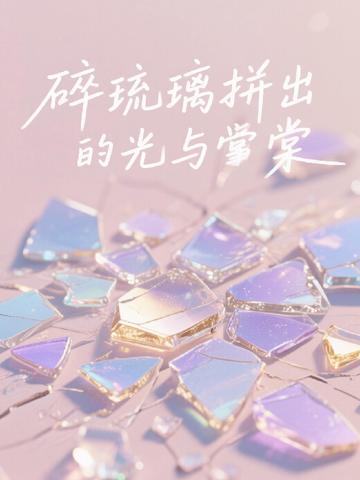
Introduction to "Light and Tang spelled out by broken glass"
Under the begonia of Beijing's No. 3 Middle School, the noble son Pei Yu stuffed a broken glass brooch into Xu Zhaotang's exercise book: "Just like you, it's very hard." As the daughter of a housekeeper, she was used to polishing his glass lamps in the morning light, but repaired his broken ancestral lamps late at night - isinglass powder glued not only the fragments, but also his fragility hidden under publicity.
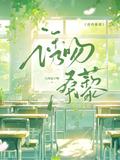
The school uniform is misplaced tenderness: she wears his old clothes that have been shortened, with a tiny "" embroidered on the cuffs; he wears a broken glass bracelet she strung, and each bead reflects the profile of her face when it was repaired. The orange sugar paper and crab apples in the classroom and the reflection of the sugar paintings at the entrance of the alley hide unspoken confessions.
On a rainy night, he saw her wrapped in a handkerchief and piecing together colored glaze, and suddenly understood what his grandfather said: "When the broken light meets again, it will burn brighter." In the kiln fire of Liulicang, the golden-red glaze and the azure pigment were in contact, just like his heat and her tenacity - two "incomplete" souls, in the cracks between each other, spelled out a spring brighter than the stars.
This is a campus love song about brokenness and reconstruction. Inferiority and pride are hidden in the folds of the school uniform, and the young man's sincerity is reflected in the broken light of the glass. It turns out that the most touching bond is that we are each other's "exception" and "light".