This book aims for realism and includes plenty of classical Chinese writing, from rural life in the late Eastern Han to factional struggles at court.
****First, a warning to those who love power fantasies: there’s no System here, no golden finger, and even getting the flintlock you want will take a long time********
It also covers local customs and traditions, sacrificial rites, divination, weddings, funerals, and more.
If you’re looking for a power fantasy, you’re in the wrong place. But if you enjoy the obscure corners of Han culture, then you’ve come to the right place.
Just the obscure corners, mind you. I’m not here to do archaeology.
All the ****classical Chinese**** passages in the full-text index are readable from start to finish. They’re written in classical Chinese that’s easy to understand, with the meaning kept purely literal!
Some satisfying moments should make you think just a little before they send you soaring, right?
A lot of the schemes and power plays borrow from later dynasties, and naturally there are some power-fantasy plot elements too.
The prose and character portrayals draw on works from both China and abroad, past and present. Some details will be instantly recognizable to readers who’ve studied the classics closely.
All right, as you can see, I’m only getting to the actual story now:
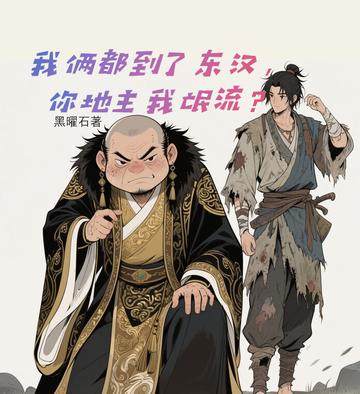
Two modern people somehow transmigrate to the Eastern Han. One struggles to survive in the wilderness and only becomes a governor after several years.
The other starts out as a wealthy landlord, schemes at every turn, and throws the entire late Han into chaos.
From the ruling elite’s agonizing efforts to learn the Native American approach of **taking the land and leaving the people**,
to a transmigrator assassinating certain high-ranking figures and throwing the First Yellow Turban Rebellion into disarray...
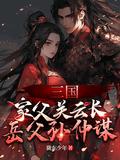

The concept is really good, but it's hard to read the classical Chinese text.