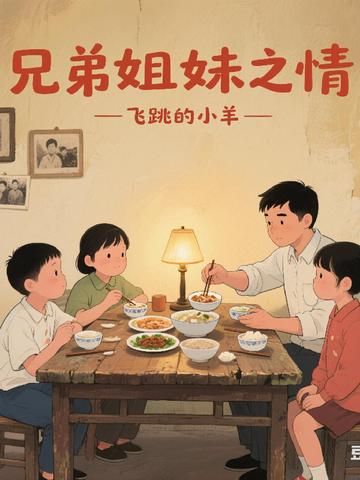
In 1978, in Chunshu Hutong, Beijing, the fates of the four Lin brothers and sisters exploded with the spring thunder of reform and opening up. When the demolition notice was posted on the mottled door lintel of the courtyard, the eldest sister's hands were shaking as she clutched the food coupons - this was the last guarantee that her father had obtained in exchange for pneumoconiosis. The second brother who was laid off from a state-owned factory smuggled electronic watches, the lesson plans of the third sister of the people's teacher were replaced by the stock trading manual, and the fourth brother of the taxi driver couldn't hold the steering wheel of his marriage.
After forty years of ups and downs, they capsized in the Hainan gold rush, turned against each other over demolition money, burned their youth into the mileage of online ride-hailing services, and wrote reconciliation in chalk on the epidemic isolation wall. The eldest sister guarded the community vegetable shop to witness the crushing of group buying capital, the second brother's takeout box contained his son's online loan bill, the third sister's pension was not enough to fill the hole of education and training, and the fourth brother's electric car carried the confusion of the new energy era.
When the AI-repaired family portrait reflects the young face of the father, can the family ties that have been shattered by stock K-lines, demolition meters, and online ride-hailing scores be reunited in the blockchain will and the alley of the metaverse? A civilian epic spanning 46 years of reform and opening up, the memory of family and country in the cracks in the courtyard gate is more thrilling than any business legend.