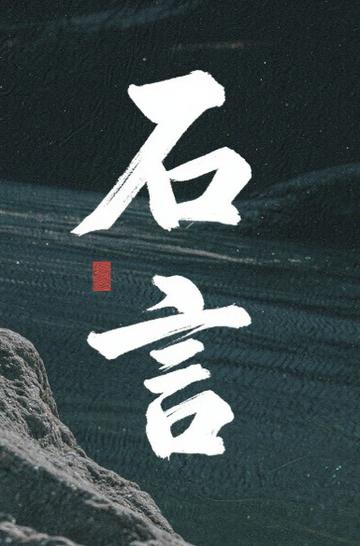
When heaven and earth first opened, I was scattered in the world. The white marble on the jade steps of the palace, the rammed earth and stones on the frontier fortress walls, and the soul-calming rock deep in the mausoleum, every crack hides an unsaid epic.
I have seen the jade certificate of Emperor Qin's conferment of Zen sinking into the sea market, heard the sword of the Han Dynasty passing through the Qilian Snow; I have inherited the dance steps of the imperial concubine's colorful feathers, and soaked in the rust of the tears of the garrison soldiers looking home. The warriors and warriors carved the year number on the edges and corners, and the literati inscribed the fragments with blood and tears. We are silent historians, condensing the body temperature of the dynasties into patterns - the morning light in Weiyang Palace, the rain of blood at Xuanwu Gate, and the smoke and willows in Bianliang City are all flowing in the stone patterns.
Three thousand years of weathering and peeling, ninety thousand miles of ups and downs. When the archaeological brush sweeps away the dust and the electronic screen blocks the skylight, we are still the oldest dialect on the earth, using cracks as symbols and mottled rhymes to tell the vicissitudes of life that are more real than words. In the amber of time, every grain of sand is the growth ring of civilization.