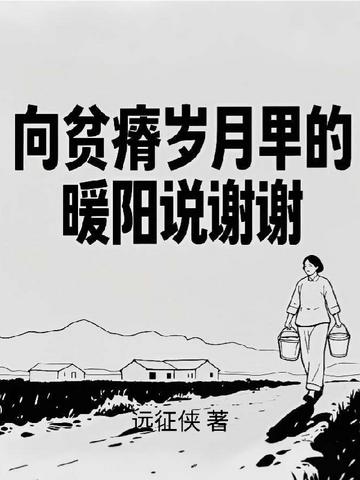
In the 1960s and 1970s, supplies were scarce and life was difficult. The young "father" and his brothers and sisters were huddled in a low mud house, and hunger and cold were the deepest imprints in their memory. However, no matter how difficult the days were, grandma always smiled, like a beam of warm light, illuminating this precarious home.
With her rough but dexterous hands, she turned wild vegetables into delicious meals and sewed old cloths into children's clothes; with her optimism and tenacity, she taught the children how to plant hope in barren land. She often said: "No matter how hard the life is, it will pass with a smile. God will not always make people hungry."
As time goes by, the children grow up and their lives gradually improve. But grandma's waist was bent, her hair turned white, and her once neat steps became hobbled. She still loves to smile, but there are traces of time in her smile. And the home that she once protected under her wings is now flourishing and has become the scenery she is most proud of.
Reader comments
It's a plain story, that era was really poor, and it is indeed so true.
The real life of our parents is reproduced. In that era of scarcity of materials, we can feel the faith and hardship of our parents.
It's a plain story, that era was really poor, and it is indeed so true.
The real life of our parents is reproduced. In that era of scarcity of materials, we can feel the faith and hardship of our parents.