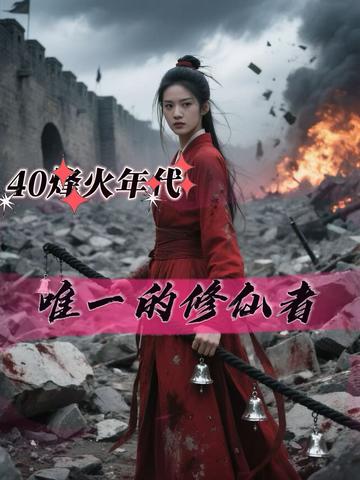
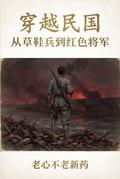
He was just one step away from becoming an immortal, but was struck by lightning and transported to modern times, where he lived for exactly two years.
I was hit by a car again in the war-torn years of the early 1940s, with famine and war.
Fortunately, when we traveled to modern times, the mustard space was full of food.
In his own space, he used magic and alchemy to fight the Japanese in the war-torn years.
The plot is purely fictitious!
Reader comments
Although I have only read Chapter 16, the beginning of this book is really gripping. It cleverly uses space, fantasy, and other elements that young people love to create a vivid and powerful image of the heroine. What's even more rare is that in the fantasy setting, there is always a reverence for history - allowing readers to truly touch what their predecessors have experienced through the text. Suffering: At that time, they had no extraordinary weapons, no system support, and were hungry and freezing. However, with the tenacity of "using the sky as their back and the earth as their bed", they used a pair of iron fists and a body of flesh and blood to forcibly smash a way to peace in the hail of bullets. We all know that the real war of resistance is far more cruel than the description in the book: there is no protagonist, no chance to come back, every inch of land recovered is soaked in countless sacrifices; every victory horn is wrapped in unimaginable blood and tears. But it is this kind of writing that allows young readers to understand the determination of their predecessors to "use themselves as torches to light the way forward" in the familiar narrative, and understand that today's stability never comes out of thin air - it is the peace that countless people have paved for us at the cost of "exchanging lives for lives."
It's very interesting. I really enjoyed reading it. Kudos to the author! [Like][Like][Like][Laugh][Smile]
Didn't that little Zhang Yi say his surname was Zhang at the beginning? Why is he always called Li Yi in the following articles?

Although I have only read Chapter 16, the beginning of this book is really gripping. It cleverly uses space, fantasy, and other elements that young people love to create a vivid and powerful image of the heroine. What's even more rare is that in the fantasy setting, there is always a reverence for history - allowing readers to truly touch what their predecessors have experienced through the text. Suffering: At that time, they had no extraordinary weapons, no system support, and were hungry and freezing. However, with the tenacity of "using the sky as their back and the earth as their bed", they used a pair of iron fists and a body of flesh and blood to forcibly smash a way to peace in the hail of bullets. We all know that the real war of resistance is far more cruel than the description in the book: there is no protagonist, no chance to come back, every inch of land recovered is soaked in countless sacrifices; every victory horn is wrapped in unimaginable blood and tears. But it is this kind of writing that allows young readers to understand the determination of their predecessors to "use themselves as torches to light the way forward" in the familiar narrative, and understand that today's stability never comes out of thin air - it is the peace that countless people have paved for us at the cost of "exchanging lives for lives."
It's very interesting. I really enjoyed reading it. Kudos to the author! [Like][Like][Like][Laugh][Smile]
Didn't that little Zhang Yi say his surname was Zhang at the beginning? Why is he always called Li Yi in the following articles?