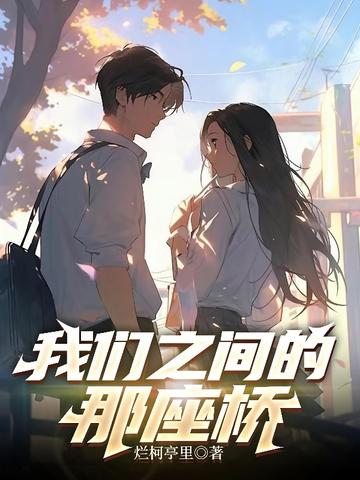
Throughout their three years of high school, Zhuang Yubai would sharpen charcoal pencils during homeroom while keeping osmanthus tea warm. The bridge-cable equations densely covering his draft paper lay beside the ginkgo bookmark she kept in her Civil Code. On the confiscated MP3 player, the heartbeat in the moment he shared one earbud with her came exactly as “By Lake Baikal” reached 1:17.
When the Munich design institute sent over the plans for his first cable-stayed bridge, Zhuang Yubai sketched a ginkgo leaf beside the cable specifications. At that same moment, working late at a Beijing law firm, Xianshi opened a case file. The storm-load formula in the evidence photo of a dangerous bridge was written in the same hand as the physics notes he had helped her with in their senior year.
Ten years later, at the opening ceremony of a sea-crossing bridge, Xianshi entered as a specially invited legal adviser. Under the camera flashes, chief designer Zhuang Yubai unbuttoned his suit. In his inner pocket was a sketch of a covered bridge she'd drawn years ago. On the back of the gold-embossed invitation was a stamped figure: wind resistance coefficient, 9.8 m/s², just like the number of seconds it took for the osmanthus tea she made when she was seventeen to cool.
The river breeze lifted the cuff of her lawyer's robe, revealing the ginkgo specimen he had given her beneath her watch. As the livestream camera passed over them, they raised their thermoses at the same time and smiled at each other across the forest of steel cables.
“Every bridge he designs leaves room for legally acceptable error, just as every one of her closing arguments hides a clause to reduce his liability.”
◆ A mutual notarization of engineering parameters and legal clauses ◆