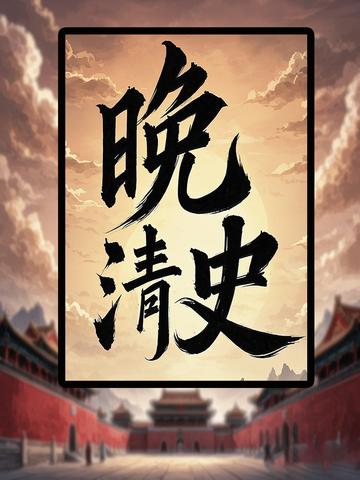
The history of the late Qing Dynasty refers to the period from the Opium War in 1840 to the fall of the Qing Dynasty in 1912. During this period, the Qing Dynasty faced aggression from foreign powers and signed a series of unequal treaties such as the Treaty of Nanjing. Its sovereignty was damaged and territory was ceded to pay compensation. Frequent civil strife such as the Taiping Rebellion and the Nian Army Uprising aggravated the crisis of Qing rule. The Westernization Movement and the Reform Movement of 1898 tried to save themselves, but failed. After the Eight-Power Allied Forces invaded China, the Qing Dynasty was completely reduced to a semi-colonial and semi-feudal society. In 1911, the Revolution of 1911 broke out and the rule of the Qing Dynasty collapsed. In 1912, Emperor Xuantong abdicated and the Qing Dynasty was destroyed.