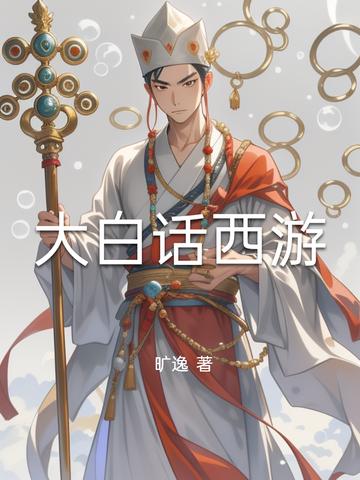
"Journey to the West" is one of the four classic Chinese classics. It was written by Wu Cheng'en in the Ming Dynasty. It tells the story of four monks, masters and disciples of the Tang Dynasty, who went to the West to obtain Buddhist scriptures after going through ninety-nine and eighty-one hardships.
**Enlightenment and Gains from Reading**
1. **Humanity and Growth**:
- Sun Wukong's transformation from rebellion to maturity embodies the transformation from "strong ability" to "perfect mind", inspiring us: true strength lies in self-discipline and sense of responsibility.
2. **The essence of team**:
- Tang Seng's determination, Wukong's courage, Bajie's harmony, and Sha Seng's pragmatism illustrate that success requires tolerance of differences, leveraging strengths and avoiding weaknesses.
3. **The value of suffering**:
- "Eighty-one Difficulties" are the only way to pass, reflecting that setbacks in reality are catalysts for growth, not obstacles.
4. **Desire and Detachment**:
- Monsters often cause disasters due to obsessions (such as immortality and power). Looking at the pure faith of masters and disciples, it reminds us that only by restraining desires can we gain freedom.
5. **Religious and philosophical thinking**:
- The book integrates Confucianism, Buddhism and Taoism, which can trigger dialectical thinking on issues such as faith, good and evil, cause and effect.
**Summary**
"Journey to the West" is an adventure of gods and demons on the surface, but at its core it is a fable for cultivating the mind. When reading, you can reflect on your own experience: How can you play the role of a "learner" in reality? How to reconcile with your own "inner demons"? It is recommended to enter the story with a relaxed attitude, and then gradually dig deeper into the metaphors, and you will surely gain wisdom that transcends the times.