Introduction to The Great Tang's National Fortune
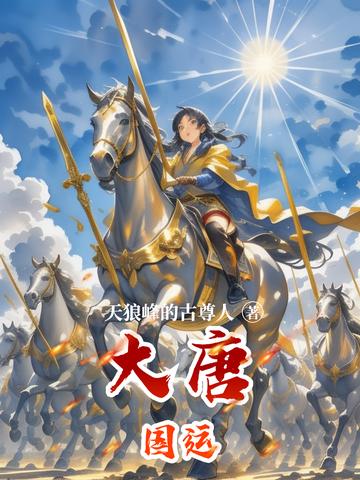
The Great Tang's National Fortune follows the rise and fall of the Tang dynasty over 289 years, depicting the sweeping history of this great dynasty, from its founding by Emperor Gaozu of Tang, Li Yuan, in 618 AD, to the usurpation of the Tang throne by Zhu Wen and the deposition of Emperor Ai in 907 AD.
The story begins amid the chaos at the end of the Sui dynasty. Li Yuan raises an army in Jinyang, beginning the Tang dynasty's story. He swiftly unifies the Central Plains. In the early Tang, the reign of Zhenguan brings peace and prosperity. Emperor Taizong, Li Shimin, appoints capable officials, humbly accepts advice, reduces taxes and labor obligations, and develops the imperial examination system. The Tang grows ever more powerful, with the four seas submitting and all nations paying tribute. During Emperor Xuanzong's Kaiyuan era, the dynasty reaches its peak: politics are clean, the economy flourishes, and culture thrives. Great poets emerge in droves, the borders expand, and trade along the Silk Road prospers, showcasing the splendor of a golden age.
Yet after reaching its zenith, the dynasty begins to decline. In his later years, Emperor Xuanzong dotes on Yang Guifei, while Yang Guozhong seizes power. An Lushan and Shi Siming launch the An Lushan Rebellion. The eight years of warfare become the turning point that sends the Tang from prosperity into decline, ushering in the Middle Tang. Problems follow one after another: regional military governors carve up the realm, eunuchs dominate the court, and factional strife rages. Though there are brief revivals under Emperor Xianzong's Yuanhe Restoration, Emperor Wuzong's Huichang Restoration, and Emperor Xuanzong's Dazhong Reign, these fleeting resurgences cannot reverse the overall decline.
In the late Tang, political corruption worsens, land becomes increasingly concentrated in the hands of a few, and the people suffer terribly. The Huang Chao Rebellion erupts, dealing a devastating blow to the foundations of Tang rule. Though the uprising is suppressed, the power of the regional governors grows even stronger. After Zhu Wen rises to prominence and takes control of the court, he massacres members of the Tang imperial clan and its officials. In 907 AD, he deposes Emperor Ai and establishes the Later Liang. The Tang dynasty falls, and the chaotic era of the Five Dynasties and Ten Kingdoms begins.
This book, through its detailed...