In the autumn of 1977, seventy-year-old Lin Su died alone in a nursing home. Even in her final moments, she regretted being unable to save her mother, who had taken her own life after being falsely accused, and being unable to keep her sister from being driven away by their father. As she lay dying, she clutched the old corn-husk handicraft her mother had left behind and unexpectedly became reborn on the day before her mother's suicide. That cold morning, her father's shouts, her mother's stifled sobs, the scorched smell of sweet potato porridge: everything was so vivid it made her tremble.
This time, Lin Su was no longer the quiet, timid girl she had been in her previous life. She rushed into the kitchen and hugged her mother, declaring firmly, "I believe you." She found evidence of her mother's innocence that very night, breaking the fate that had once led to her death. Seeing hope rekindle in her mother's eyes and her sisters tentatively reach out to her, Lin Su made up her mind: she would not only protect her family, but also lead them out of their predicament.
She suggested making corn-husk handicrafts to earn money, putting aside the impatience of her previous life, when she had chased quick profits. She worked alongside her mother, weaving stitch by stitch. Watching her mother smile through tears as she counted their first earnings, Lin Su finally understood that being reborn was not about getting rich, but about bringing light back to her family's eyes. As they prepared for the college entrance exams, she no longer studied alone. She helped her sisters with their schoolwork using explanations like "a carrying pole demonstrates leverage" and "handicrafts help solve word problems." Even their usually hot-tempered father secretly brought them scratch paper. Their once-cold home gradually grew warmer.
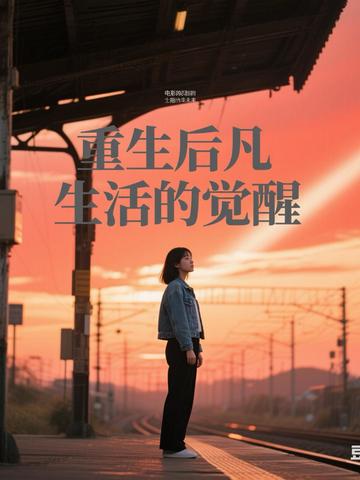
From clearing her mother's name, to leading the neighbors in making handicrafts, to helping all three sisters prepare for the college entrance exams and choose their universities, Lin Su gradually made up for the regrets of her previous life. When all three daughters received their admission letters and the family stood at the station to see them off, Lin Su looked at her father's reddened eyes and the brown sugar her mother had pressed into her hands, and finally understood: the most precious thing about being reborn was not
The story slowly cooks the true flavor of life, allowing readers to see in the smoke: It turns out that the best rebirth is to live ordinary days into poetry.