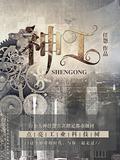
MIT's wise mentor's wisdom and insights remain relevant 50 or even 100 years later
How can humans learn to coexist with innovation and new technologies?
Ever since the inventor of the wheel took pains to explain that a wheelbarrow could carry more than a person, humans have been reluctant to adapt to the invention and application of new technologies. This book, written by a famous professor from MIT, is designed to teach us how to better adapt to the "technological changes" that have brought to our lives and work in a society with rapid innovation.
Multiple psychological and social impacts.
The author tells the story of the artillerymen in World War II: Just before shooting, two soldiers in the five-man truck gun crew stopped all movements and just stood at attention and "reined their horses," causing the entire shooting process to be extended by 3 seconds. This allows people who encounter difficulties in using new software and technology to empathize. We are not the first people to be in this dilemma.
Morrison also cites a series of interesting historical anecdotes to highlight the book's theme: the nature of technological change and society's response to this change. After a junior officer discovered a more continuous method of shooting at sea, he was openly resisted by his superior officers in the U. S. Navy. In the end, he had no choice but to report to President Theodore Roosevelt...
Each example teaches us a lesson—in the context of technological transformation and upgrading, humans are not adaptable to technology and engage in group resistance. He helps us reflect on how to understand new technologies, helps people adapt to technological changes, helps companies and organizations adjust systems and management, and promotes the adoption of new technologies and the invention of new technologies.