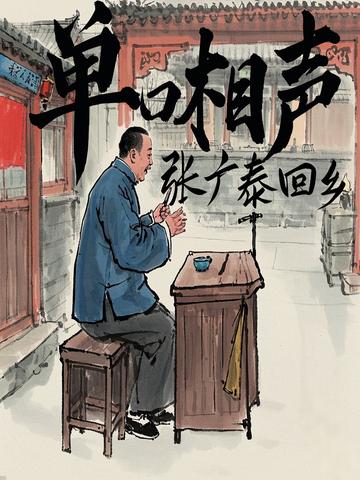
The marketplace in the late Qing Dynasty and the early Republic of China - from the embarrassing opening of Zhang Guangtai returning home in despair, to the serial farce of bickering in a teahouse, cheating in a pawnshop, and a matchmaker proposing marriage, every scene is a microscope of human nature and sophistication. When Zhang Guangtai used "poor and meticulous" to deal with snobbish relatives, it implied the "face economics" in the contemporary workplace; when he resolved the pawnshop owner's difficulties by "pretending to be stupid", it reflected the game wisdom of grassroots counterattacks. The sound effects of the market are laid out layer by layer - the shouts of the teahouse waiter, the crisp sound of the dice falling into the bowl, and the whispers of the neighbors, making the smoke of old Beijing alleys penetrate the eardrums. How does the narrative structure of Zhang Guangtai's "three in and three out" teahouse coincide with the aesthetics of traditional scripts? What are the jargon hidden in the baggage of "arranging flowers outside"? From the appearance of "cynicism", the survival philosophy of little people in troubled times is peeled off - the bottom line in tact, the warmth in cunning, and the dignity that lasts in embarrassment. Zhang Guangtai's battle of wits with the foreign comprador, and the legend of the treasure appreciating the treasures of Liulichang finally complete the gentle inquiry into the world's people's hearts in laughter.