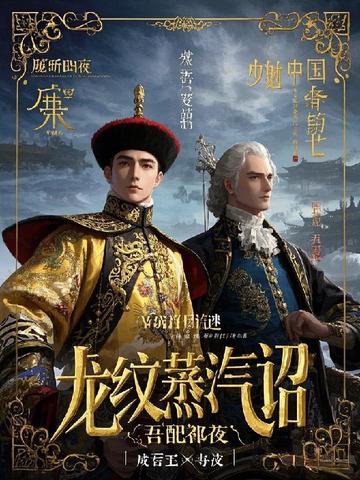
In the autumn of 1793, the comet pocket watch presented by Macartney resonates with the Imperial Astronomical Bureau’s armillary sphere, binding the souls of Qianlong and George III together. In the Forbidden City, the “English king” uses an investigation into the Gansu relief-funds scandal to introduce an audit system, hiding steam-engine blueprints between the pages of the Complete Library of the Four Treasuries. In the Tower of London, the “Qing emperor” cuts off the opium trade with a ban, yet uses East India Company ships to bring back the records of the British Parliament. The White Lotus Rebellion and the Napoleonic Wars break out at the same time. The two emperors share a consciousness at every new and full moon, passing the sparks of civilization through secret memorials and sailing logs: the Fuzhou Shipyard casts cannons from Birmingham steel, while Manchester factories improve their spinning machines with the aid of The Exploitation of the Works of Nature.
When the confiscation at Humen in 1839 yields not opium but the blueprints for a joint fleet, Lin Zexu and the Duke of Wellington join forces to suppress silver speculators, and the Rothschild family is defeated in a tea-brick futures war at the mouth of the Yangtze. At the Awakening of Insects in 1840, bronze bells ring simultaneously at Beijing’s Imperial Ancestral Temple and Westminster Abbey. A submarine cable crosses the 30th parallel north, the line that rewrote history. The decree that once sparked the Opium War ultimately becomes the opening seal on the Yangtze-Thames Treaty of Mutual Trade.
The world has never been so divided, yet through one absurd twist of fate, it moves toward a rational fantasy to the sound of interlocking gears. As the “Son of Heaven” and “divine right of kings” dismantle one another, humanity lays the foundations of world history for the first time with gunpowder and tea, not guns and bloodshed.