Ladies and gentlemen, today we're not talking about just any dynasty. We're talking about a top-tier star of an empire, one that could trend online and dominate the headlines in Chang'an: the Tang dynasty. Want to know what made those 289 years so exciting? Then sit back and let me break it all down for you.
Chang'an's Zhuque Avenue was a full 150 meters wide, enough for thirty carriages to travel side by side today. Persian merchants led camels loaded with glass and agate, envoys from Goguryeo carried gilded letters of state, and foreign dancers performed the Zhezhi dance in roadside taverns. It was the very picture of a seventh-century international metropolis. How did this golden age come about? It all began with Li Shimin's showdown at Xuanwu Gate. After settling some “family business” with his brothers, sword in hand, he went on to usher in the Reign of Zhenguan. The tribes of the steppe competed to acknowledge him as the “Heavenly Qaghan.” It was like a modern entrepreneur acquiring a rival and then winning businessperson of the year.
The Tang dynasty's most thrilling turning point has to be the “bloodshed sparked by an urgent lychee delivery,” starring Yang Guifei. An Lushan, a three-hundred-jin foreign-born military governor, turned the Kaiyuan golden age into the Tianbao crisis. Don't let the carnage of the mutiny at Mawei Slope fool you: Guo Ziyi's later one-man mission that drove back the Uyghurs would make for fifty episodes of a political intrigue drama. With twists and turns like that, it would dominate prime-time historical TV today.
The cultural scene was a clash of immortals. Li Bai could trade poems written in taverns for drinks, Du Fu crouched in a thatched hut and created epic vlogs, Xuanzang returned from his pilgrimage and livestreamed Buddhist sermons, and Wu Daozi casually painted The Heavenly King Sending a Son, a hit that every art student had to copy. Even more remarkable, women could ride horses and play polo, and go out dressed in men's clothes. Even by today's standards, that level of openness would be groundbreaking.
One last little-known fact: during the reign of Emperor Xuanzong of Tang, a palace maid complained
 In a Matriarchal World, I Met Her, the Underground Boxer
 Matriarchy: My Landlord Is a Little Succubus
 I Woke Up as a Beautiful Young Man in a Matriarchal World
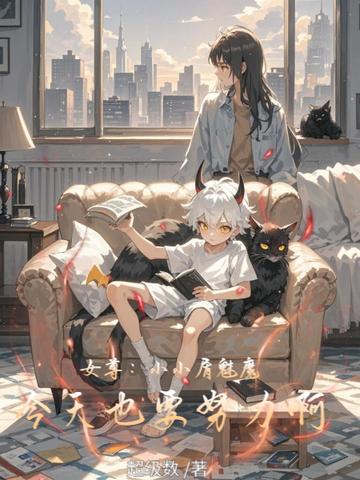 Matriarchy: This Little Scamp Succubus Has to Keep Trying Today, Too
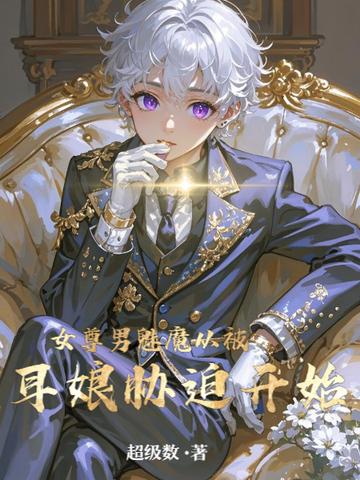 A Dominant Woman's Enchanting Male Succubus, Starting with Coercion by a Leopard-Eared Girl