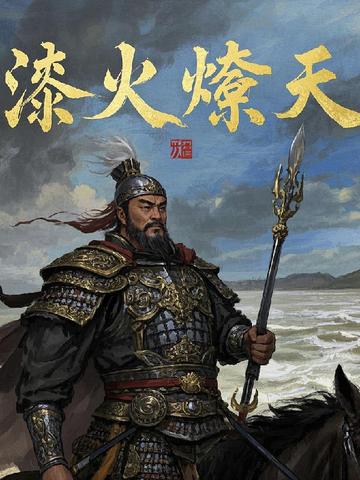
Fang Yan, a modern agricultural technician, accidentally traveled through the Zhenghe period of the Northern Song Dynasty and became Fang La, a lacquer farmer in Qingxi. Under the oppression of Hua Shigang's tyranny, he witnessed the atrocities of officials cutting off farmers' fingers and seizing babies for tax deductions. The modern soul in his body collided fiercely with the hatred of farmer Fang La. He relied on agricultural technology to improve the lacquer garden harvest, but was counterattacked by the new order of "taxing raw lacquer"; he rescued the She inkstone craftsmen and gained a think tank, but he was involved in the dead end of illegal salt trafficking. From improving the water grinder to grinding saltpeter to reorganizing the teachings of Mingjiao, from outsmarting Hangzhou warrior Wang Zhen to recruiting Taihu dragons, Fang La tore a crack between the cold weapons and the iron curtain of class. When the fuse of reform was aimed at the iron cavalry of the Imperial Army of the Song Dynasty, he finally realized that change was not only about technological fire, but also about burning through thousands of years of stagnation. This is an uprising epic in which modern thinking and ancient civilization fiercely collide. Under the realistic and delicate paintings of the Song Dynasty, the calluses on the hands of lacquer farmers, the blood in the inkstone, and the bagasse in the gunpowder all tell how the ants crushed by history rewrite the destiny.