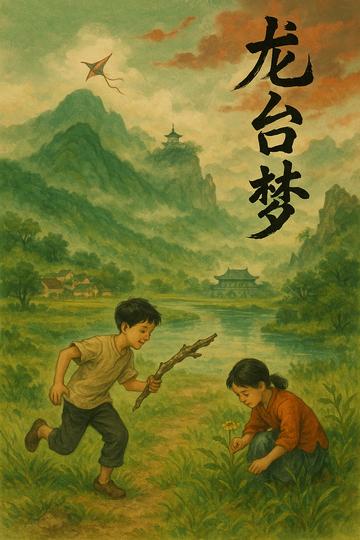
At the foot of Longquan Mountain in the west of Gan County, the dynamic Longquan River nourishes the water and soil, connecting the legendary natural wonders such as Dragon's Nest, Longquan Temple, and Hutou Cliff. The young man Yongfu and the girl Xiaomei play in the lush mountains and fields in search of the "dragon bone". They use their innocence to explore the names of vegetation and the wild interest of the mountains, but they inadvertently touch the current of the times. As a trade hub in the mountainous area, Longquan Town gathers the villagers' aspirations and controversies about life: the dispute between foot binding and female education, farming livelihood and the crisis of the country, quietly collide in the chat in the "meeting hall". As the news of the Japanese invasion of China spread, ripples appeared in the peaceful mountain villages, and children's dreams already contained metaphors of desire for freedom and turmoil. Yongfu enlightens Xiaomei's yearning for school with children's songs, which ultimately shakes his father Han De's traditional concepts and reflects the glimmer of rural education under the alternation of old and new. The story is based on landscapes, interweaving the pastoral poetic childlike interest and folk customs with the sense of worry on the eve of the Anti-Japanese War, and outlines a vivid picture of China's rural society in the 1930s.