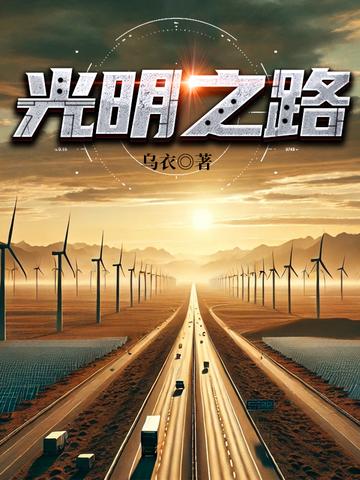
Lin Yuan, the project manager of New Wind Group, was negotiating the wind power and photovoltaic composite project along the West-East Electricity Transmission Channel. On the way, he met Zhou Yao, a financial reporter who was investigating the new energy fraud case. Zhou Yao's vehicle broke down and got into Lin Yuan's pickup truck. She used the excuse that she was making a documentary and wanted to follow Lin Yuan to film, but she actually wanted to expose the subsidy fraud in new energy.
But along the way, it was gradually discovered that transnational capital was hindering the development of new energy by manipulating power transaction data and forging energy storage projects, while domestic "new energy workers" such as Lin Yuan were really working hard for desertification control and green electricity production.
The two traveled together through eight major clean energy bases and witnessed the new era of photovoltaic desert control turning deserts into oases, old thermal power plants transforming into integrated energy stations, and the descendants of herdsmen becoming experts in wind power operation and maintenance. When extreme weather caused the northwest power grid to face a crisis, Lin Yuan's team united with new energy power stations, UHV dispatch centers and eastern load centers from all over the country to use China's original "new energy-friendly power grid" technology to protect the lights of thousands of homes and let the miracle of Dunhuang's 100% new energy power supply illuminate the entire Silk Road. Finally, at the Hami ±1100 kV UHV station, the lie of "new energy instability" was exposed through live broadcast, and the country's grand strategy of new energy was effectively praised.
Reader comments
I have to talk specifically about the eating scenes in this book. The desert feast cooked by Lao Ma made me hungry when I read it. Sea buckthorn honey, Cynomorium sand rice, Hexi Sandiao, the description of camel custard. I still remember the scene where Lin Yuan fried lamb ribs in the desert. The cumin chili was sprinkled on top and my mouth watered. But do you think these meals are idle writings? No. The richer Lao Ma's dinner table is, the more uncomfortable it will be for him to die in the fire later. The happier he smiled during that meal, the more heartbroken he became when Aunt Ma said she couldn't buy him back with money. The author reminds me of a truth. The warmth of the world often comes from the dining table. If you write about delicious food, you will write about the good world.
To be honest, I am generally not very fond of technical descriptions and tend to get boring. But I watched the scene of the wind turbine collapsing the tower in "Path of Light" over and over again three times. It's not that the plot is too bizarre, it's that the oppressive feeling of "watching a giant collapse in front of you" is too strong. From the abnormal noise of the blades, the broken bolts, the toppling of the tower, to the deflagration of the lubricating oil when exposed to arc, the whole process is extremely well written, and you can feel that the author really understands wind power. But what's even more powerful is the person behind the technology - Lao Ma was still in the fire trying to break the connecting rod, while Lin Yuan took off his sleeves to press the hot red brake lever. The burning description reminded me of the suffocation I felt when watching "Chernobyl". No matter how sophisticated the technology is, it still relies on human flesh and blood to carry it through at the last moment. This is quite tragic in itself.
The great thing about this book is that it made me smell the fireworks in the world.
Many novels are about food and greed. This book is about eating, but also about fear.
When Lao Ma was setting up the stove in the desert, my palms got cold while reading it. It's not because the food he cooked is not delicious, it's just because it's so delicious - the author describes the taste of the pasta, meat, and wild fruits so solid and hot that every bite seems to say: Look, how wonderful it is to live.
But this book does one thing from beginning to end: make you fall in love with someone who is counting down the days.
The more you love the smoke and smoke on Lao Ma's stove, the more afraid you are of turning to the next chapter. The author piled all the warmth on the dining table, like a person who is deeply aware of parting and stuffing things into his luggage - knowing that he can't take it away, but still stuffing it full.
Then the fire came.
During the scene when Lao Ma rushed into the fire, all I could think of was the dinner table. His hands knead the dough, turn the meat, and serve the soup. At that moment, I understood that the author did not write about rice to write about rice, but to write about those hands. The person is gone, the hand is gone, but you remember what those hands did - this is what the book says "money can't buy back".
Aunt Ma's words, "Money can't buy an old horse back," were light and airy, but my chest felt tight all day while reading it.
Because I suddenly understood: this book is not telling the story of a firefighter from beginning to end, it is telling the story of a chef. Lao Ma's most remarkable achievement was not that he rushed into the fire, but that he made everyone forget the existence of fire for a while during that meal.
To be able to write about a meal to this extent, the author understands the world.
I have to talk specifically about the eating scenes in this book. The desert feast cooked by Lao Ma made me hungry when I read it. Sea buckthorn honey, Cynomorium sand rice, Hexi Sandiao, the description of camel custard. I still remember the scene where Lin Yuan fried lamb ribs in the desert. The cumin chili was sprinkled on top and my mouth watered. But do you think these meals are idle writings? No. The richer Lao Ma's dinner table is, the more uncomfortable it will be for him to die in the fire later. The happier he smiled during that meal, the more heartbroken he became when Aunt Ma said she couldn't buy him back with money. The author reminds me of a truth. The warmth of the world often comes from the dining table. If you write about delicious food, you will write about the good world.
To be honest, I am generally not very fond of technical descriptions and tend to get boring. But I watched the scene of the wind turbine collapsing the tower in "Path of Light" over and over again three times. It's not that the plot is too bizarre, it's that the oppressive feeling of "watching a giant collapse in front of you" is too strong. From the abnormal noise of the blades, the broken bolts, the toppling of the tower, to the deflagration of the lubricating oil when exposed to arc, the whole process is extremely well written, and you can feel that the author really understands wind power. But what's even more powerful is the person behind the technology - Lao Ma was still in the fire trying to break the connecting rod, while Lin Yuan took off his sleeves to press the hot red brake lever. The burning description reminded me of the suffocation I felt when watching "Chernobyl". No matter how sophisticated the technology is, it still relies on human flesh and blood to carry it through at the last moment. This is quite tragic in itself.
The great thing about this book is that it made me smell the fireworks in the world. Many novels are about food and greed. This book is about eating, but also about fear. When Lao Ma was setting up the stove in the desert, my palms got cold while reading it. It's not because the food he cooked is not delicious, it's just because it's so delicious - the author describes the taste of the pasta, meat, and wild fruits so solid and hot that every bite seems to say: Look, how wonderful it is to live. But this book does one thing from beginning to end: make you fall in love with someone who is counting down the days. The more you love the smoke and smoke on Lao Ma's stove, the more afraid you are of turning to the next chapter. The author piled all the warmth on the dining table, like a person who is deeply aware of parting and stuffing things into his luggage - knowing that he can't take it away, but still stuffing it full. Then the fire came. During the scene when Lao Ma rushed into the fire, all I could think of was the dinner table. His hands knead the dough, turn the meat, and serve the soup. At that moment, I understood that the author did not write about rice to write about rice, but to write about those hands. The person is gone, the hand is gone, but you remember what those hands did - this is what the book says "money can't buy back". Aunt Ma's words, "Money can't buy an old horse back," were light and airy, but my chest felt tight all day while reading it. Because I suddenly understood: this book is not telling the story of a firefighter from beginning to end, it is telling the story of a chef. Lao Ma's most remarkable achievement was not that he rushed into the fire, but that he made everyone forget the existence of fire for a while during that meal. To be able to write about a meal to this extent, the author understands the world.