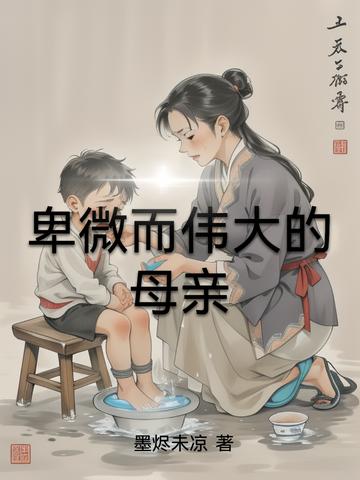
On the gray-yellow wrinkled land of Gansu, the future of four children is hidden in the wrinkles carved by the northwest wind. The mother crushed the bone grass with her cracked palms, and the grass juice mixed with tears turned amber in the enamel basin. This was the most painful ritual on the winter night of 1992. When her youngest son's frostbitten feet were immersed in the hot medicinal soup, her sobs and the crackling sound of the stove entangled themselves into a cocoon in the earthen house. In the twelfth lunar month before every New Year's Eve, the needle in the mother's hand always trembles like a heartbeat, and the rags transform into new clothes under the kerosene lamp. The youngest son always takes the cotton-padded jacket with the densest stitching at the end, but he does not know that the mother's fingertips have already worn calluses on the clothes of the three brothers and sisters.
The cold light of the iron pencil case pierced the innocence of childhood. When my mother insisted on taking back the damaged old box, the moonlight was shining on her resolute face sitting at the faded wooden table. During the disaster in the fifth grade, the thorn branches cracked in the north wind, but she rode a 28-year-old bicycle on a twenty-mile mountain road, and her red and swollen eyes reflected the plastered arm of the neighbor's child. Twenty years later, when I read those patchy family letters again, I could understand the hidden arithmetic of life when my mother broke the last piece of steamed bun into four pieces.
This is a narrative about how poverty blooms the flower of dignity, a watch that never fades under the Elaeagnus tree. When the neon lights of the city finally illuminated the trophy on the desk, my mother was still stirring the dusk with a cracked aluminum spoon, boiling half a lifetime of vicissitudes into the stubborn sea buckthorn plant in front of the door, standing in the salt-alkali land like an eternal spring.