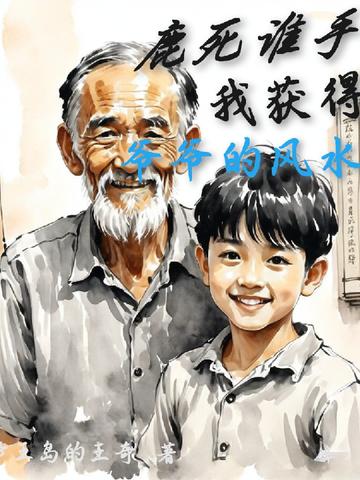
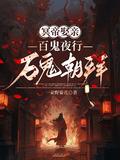
When I was a child, in order to save the grandson of the old Zhangtou family in the village, my grandfather captured a male deer on the north mountain of the village and killed it. Unexpectedly, the root of the disaster was laid...
Reader comments
Very beautiful, this book is undoubtedly a shining pearl in this field. It skillfully combines suspense and supernatural elements to weave a thrilling and thrilling drama for readers.
From the opening moment, the novel seems to open a door to an unknown and terrifying world. The author uses concise and powerful writing to quickly bring readers into a scene filled with weird atmosphere. As the story progresses, the mysteries are peeled off layer by layer like an onion, but new questions continue to arise, making people always maintain a high degree of tension and curiosity.
In terms of atmosphere creation, the author has reached the pinnacle. Through the delicate description of the environment, the right rendering of sound effects, and the precise portrayal of the characters' psychology, a creepy horror atmosphere is successfully created.
The atmosphere created by the novel is textbook level. The author is good at using space (old houses, secret rooms, deserted villages, daily residences) and time (stagnant clocks, distorted memories, recurring nightmares) as containers of horror. The cramped environment squeezes the living space and the psychological defense of the characters; while the confusion of time disintegrates the linear sense of security, throwing people into the gap between the eternal "now" and the unknown "then". Silence is given weight, darkness takes on entity, and even the most ordinary light can cast a ferocious shadow. This atmosphere is not a simple background, but an active pressurer. It silently declares: the safe zone no longer exists, and familiarity may be a trap.
On a deeper level, this book's description of Feng Shui techniques is meticulous. In addition, this book often touches on the loneliness and helplessness of existentialism. When the laws by which we understand the world (the laws of physics, the passage of time, the structure of space, and even the authenticity of memory) begin to waver or betray, the individual is thrown into the abyss of absolute isolation. What the characters in the book experience is not only a fight against something "something", but also a fight against the nothingness after the collapse of the entire familiar world. This deep fear—of the dissolution of meaning, of loss of identity, of powerlessness in the face of the grand (or malevolent) unknown—is what "Xuanzhen Horror" strikes at the core of the soul.

Very beautiful, this book is undoubtedly a shining pearl in this field. It skillfully combines suspense and supernatural elements to weave a thrilling and thrilling drama for readers. From the opening moment, the novel seems to open a door to an unknown and terrifying world. The author uses concise and powerful writing to quickly bring readers into a scene filled with weird atmosphere. As the story progresses, the mysteries are peeled off layer by layer like an onion, but new questions continue to arise, making people always maintain a high degree of tension and curiosity. In terms of atmosphere creation, the author has reached the pinnacle. Through the delicate description of the environment, the right rendering of sound effects, and the precise portrayal of the characters' psychology, a creepy horror atmosphere is successfully created.
The atmosphere created by the novel is textbook level. The author is good at using space (old houses, secret rooms, deserted villages, daily residences) and time (stagnant clocks, distorted memories, recurring nightmares) as containers of horror. The cramped environment squeezes the living space and the psychological defense of the characters; while the confusion of time disintegrates the linear sense of security, throwing people into the gap between the eternal "now" and the unknown "then". Silence is given weight, darkness takes on entity, and even the most ordinary light can cast a ferocious shadow. This atmosphere is not a simple background, but an active pressurer. It silently declares: the safe zone no longer exists, and familiarity may be a trap. On a deeper level, this book's description of Feng Shui techniques is meticulous. In addition, this book often touches on the loneliness and helplessness of existentialism. When the laws by which we understand the world (the laws of physics, the passage of time, the structure of space, and even the authenticity of memory) begin to waver or betray, the individual is thrown into the abyss of absolute isolation. What the characters in the book experience is not only a fight against something "something", but also a fight against the nothingness after the collapse of the entire familiar world. This deep fear—of the dissolution of meaning, of loss of identity, of powerlessness in the face of the grand (or malevolent) unknown—is what "Xuanzhen Horror" strikes at the core of the soul.