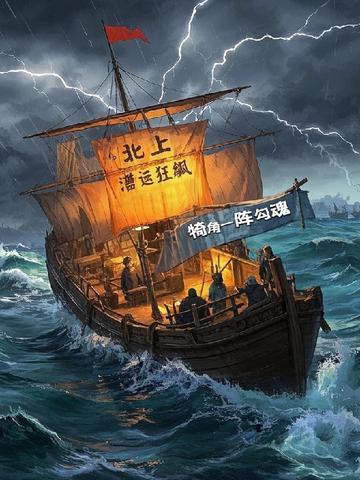
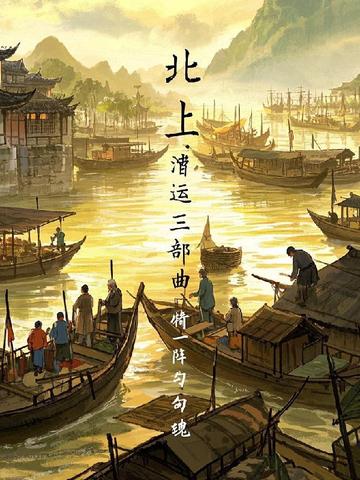
During the turbulent years from the late Qing dynasty to the early Republic, the ancient industry of grain transport by canal faced unprecedented challenges. The story opens in 1880, during the later years of the Self-Strengthening Movement. The China Merchants Steam Navigation Company was rising, and the Beijing-Hankou Railway was opening, leaving traditional canal transport on the brink of collapse.
Zhou Bingyuan, leader of the Canal Brotherhood, clung to tradition and resisted the rising forces of maritime shipping. Shen Hongling, a female helmswoman of the Green Gang, sought a path to transformation amid the tide of the times. Lin Moqing, an engineer who had studied abroad, and Joseph Wilson, a British water conservancy expert, introduced a canal dredging project, but it sparked a wave of popular xenophobia.
When the canal transport system was officially abolished in 1920, the lives of canal workers rose and fell with the changing times, while canal culture gradually faded away. Through this history, the book reflects the difficulties of China's traditional society in its transition to modernity. It also touches on the preservation of intangible cultural heritage, portraying people from all walks of life amid a changing era. The work Northbound: The Canal Transport Boom is an