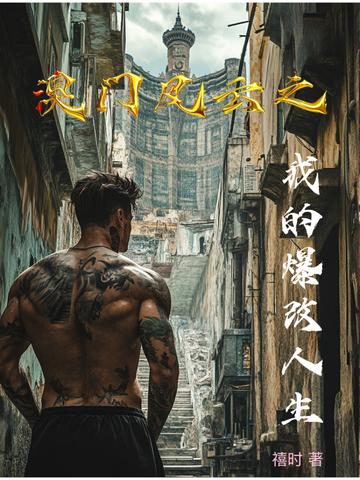
On the eve of Macau's return to the motherland in 1999, Chen Hailong, who was involved in the gangster "He Sheng Tang", clutched a three-edged scraper and smelled the change of fate in the salty sea breeze at Taipa Pier.
After twenty years of ups and downs, the sandalwood gaming tables have been replaced with tempered glass surveillance cameras, and the brothels on Fulong New Street have become check-in points for the Light and Shadow Festival. When Typhoon Hato blew the Macau Tower into a dangerous building, and Chen Hailong climbed 268 meters with his bare hands to close the leaky light box, the blue dragon tattoo on his left arm had blended with the new surgical scar. On the day when the Hong Kong-Zhuhai-Macao Bridge was completed, he took his recovered mother to watch the sun rise over the reclamation area. Social engineer Xuerou cast the three keys - the copper key from the casino warehouse, the iron key from the social work center, and the silver key from his own tea restaurant - into a commemorative plaque and hung it on the rusty old anchor of the observation deck.
This is a growth epic mixed with the smell of sea fish and iodine. In the collision of gang incisions and policy documents, it reflects the reshaping of a city and a generation by special historical nodes. When the money flow from the gambling industry swallowed up the old streets and alleys, those "bad guys" who learned their new life in the neon lights and pools of blood finally saw their own eyes in the reflection of the tempered glass.