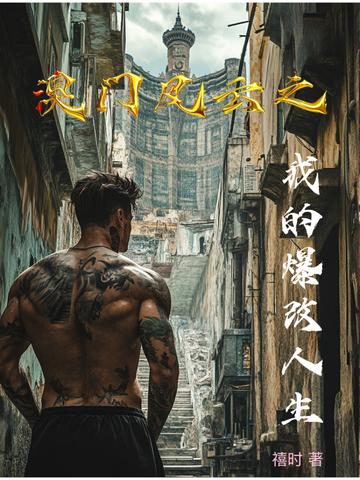
On the eve of Macau’s return to China in 1999, Chen Hailong, a member of the gang “Wo Shing Tong,” grips a triangular scraper and senses the turning of fate in the salty sea breeze at Taipa Pier.
Over twenty years of upheaval, and the rosewood gambling tables have given way to tempered-glass security monitors, while the brothels on Fulong New Street have become photo spots for the Light Festival. When Typhoon Hato leaves the Macau Tower on the verge of collapse, Chen Hailong climbs 268 meters into the air with his bare hands to shut off a live electrical sign. The blue dragon tattoo on his left arm has by then merged with the new surgical scar. On the day the Hong Kong-Zhuhai-Macau Bridge opens, he takes his recovered mother to watch the sunrise spill across the reclaimed land. Social worker Cheng Xuerou forges three keys into a commemorative plaque: a brass key to the casino storeroom, an iron key to the social work center, and a silver key to her own cha chaan teng. She hangs it on a rusted old ship’s anchor at the observation deck.
This is an epic coming-of-age story steeped in the smells of briny seas and antiseptic. As gang slang collides with policy documents, it reveals how a pivotal moment in history reshaped a city and a generation. As the gambling industry’s flow of money swallows the old streets, those “street punks” who learned to begin anew amid neon lights and bloodshed finally see their own eyes reflected in the tempered glass.