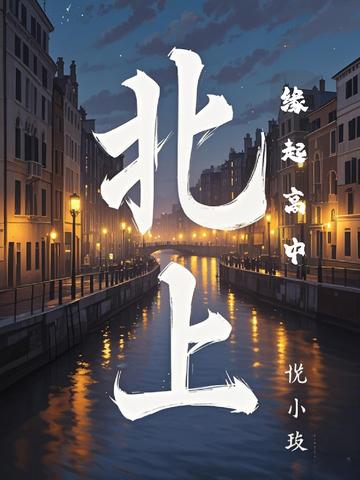
The Grand Canal is no stagnant water. It is a river of boiling blood.
Boats to the south, horses to the north, the rise and fall of fortunes and glory, all swept along in the waves.
In 1900, Shao Changlai, a Suzhou boatman, takes Italian merchants north. A single blaze set by the Boxers burns the wooden boats five generations of his family had saved to build, but it cannot burn away the soul of the canal.
In 2000, the boys of a small courtyard on Huajie Street race their bicycles past a construction site on the Beijing-Shanghai Expressway.
There is no golden finger, only ordinary people chased by the great wheel of history.
Xie Wanghe goes from hauling sacks at the docks to becoming a CEO in Beijing, only to slip and drown at the height of his success, returning to the beginning.
The feuding of powerful clans? Modern people play the game of capital hunting.
Cavalry at the river's edge? Today, it's bulldozers and trending topics bearing down on us.
They say the canal is dead.
Until Xie Wanghe pours all 800 million yuan from his Bitcoin account into a livestream campaign to have the canal named a UNESCO World Heritage Site.
Until Xia Fenghua, dressed in a bespoke suit, leads the way into the river to clear the silt.
Until Shao Xingchi's oil painting burns to ash, yet a boat ticket from 1900 drifts out of the ashes...
Only then do people realize that this river has flowed for a thousand years. The fates entwined across a century have long since become the rust and fragrant aloeswood in the bones of the Chinese people.