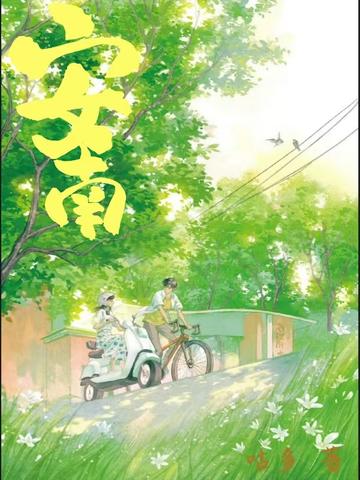
In the sound of cicadas in 2005, Li Yuanan tore up the cochlear transplant surgery drape and gave the orphanage's funding quota to a boy who was deaf due to high fever. Eight years later, this medical student with a hearing aid in his right ear bumped into Xie Jinnan in the dusty ancient books section of the library. The sound of her inhaler rolling down when she had an asthma attack was the clearest frequency in his incomplete hearing.
He used a scalpel to draw cicadas on the edge of the lab report, and she folded old pages from ancient books into medicine boxes. The white coat soaked in disinfectant from the medical school, the debt collection letter on the bottom of the camphor wood box in the library, and the moldy Valium bottles from the rental house in Shenzhen were all stacked up to form the growth rings of their love. Until a certain monitor went off due to a ten-second delay in alarm, Xie Jinnan clutched his brother's kidney transplant bill, and in the remains of Li Yuanan's hearing aid that was smashed by the doctor, he saw clearly the answer that fate had written on the rainy night of 1998: Some people's summers are forever trapped in cicada sheds, unable to wait for the dawn of emergence.
At the class reunion ten years later, the doctor who adjusted the hearing aid in the documentary was wearing a wedding ring on his ring finger. On the eve of the demolition of the old library, Xie Jinnan discovered two unused tickets tucked in the "Clinical Audiology" book. The ink marks on the yellowed paper were blurred by water stains into cicada wing patterns, very much like the fluoxetine powder scattered on her sleeves when he wiped off the ink marks on her collar that year.