Burial Book, also known as The Classic of Burial, is a foundational work of Chinese feng shui culture. Originally written by Guo Pu during the Jin dynasty, it came to be known in the Tang dynasty as the Brocade-Wrapped Classic. The oldest surviving precious reprinted edition dates back to the sixteenth year of the Kaiyuan era in the Tang dynasty. It was prefaced by Zhang Yue, Grand Chancellor and Duke of Yan, and is now kept in the National Library of Korea. The story behind this edition dates to the twenty-eighth day of the eighth month of the fourteenth year of the Kaiyuan era, when Emperor Xuanzong visited Huaqing Palace and discussed the geography of mountains and rivers with Master Hong. The master praised Guo Pu's Burial Book, so the emperor ordered it wrapped in brocade and presented to him. He kept it beside his throne and asked Zhang Yue to annotate it, which is how it came to be called the Brocade-Wrapped Classic.
The book is less than twenty thousand characters long, yet it systematically explains feng shui theory. Its five major ideas can be summarized as follows: the theory of harnessing vital energy, the theory of sheltering from the wind and gaining water, the theory of landforms, the theory of the Four Guardian Sands, and the theory of soil quality standards.
This work does not cling rigidly to ancient translations. Instead, drawing its source from the heart and taking tools as its wings, it blossoms as a cluster of new buds upon a plum branch a thousand years old.
Writing is a process of continual learning. If you find any views in this book open to discussion, or notice any factual inaccuracies, please point them out and get in touch with the author. Every reader's perspective is a lamp that illuminates blind spots in our knowledge, and I look forward to exploring these ideas together.
This book is for readers' reference only. It aims to offer a perspective or a way of thinking to help readers understand the subject.
The information, data, and opinions in this book come from publicly available classical texts, academic research, or personal views. They have not been fully verified and therefore should not be treated as professional advice or as the sole basis for making decisions.

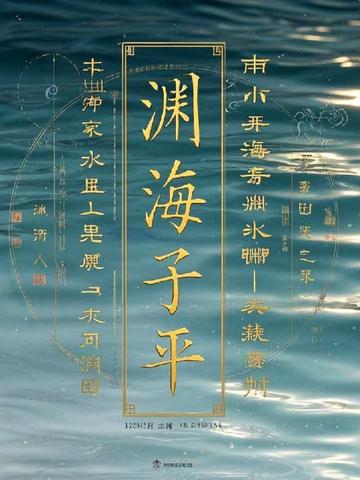 The Complete Yuan Hai Zi Ping in Plain Language
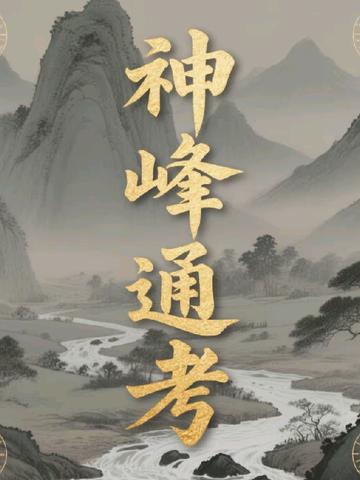 A Comprehensive Study of Shenfeng [Translation and Notes]
 The Third Book by Chen Yuan Zi Chang Qing
 Exploring the Origins of Destiny [Annotated Translation]
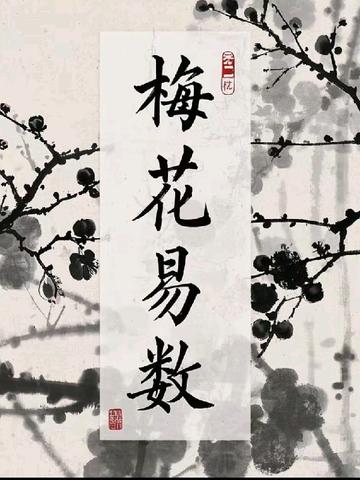 Plain-Language Guide to the Plum Blossom Numerology
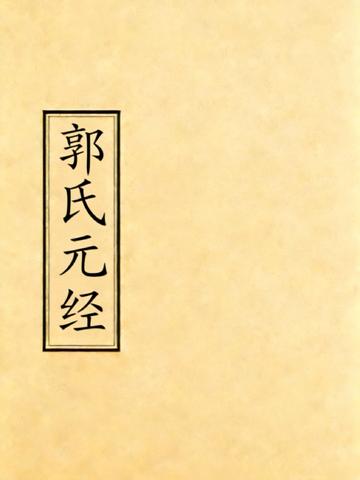 The Guo Family's Yuan Jing (Translation and Commentary)
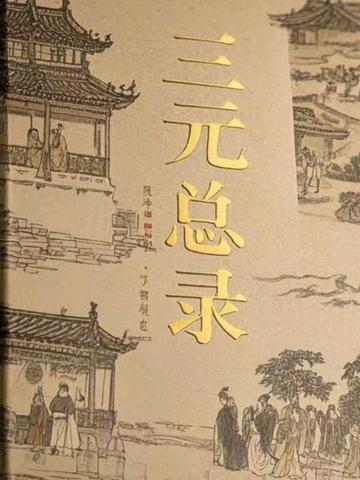 The Three Yuan Almanac in Plain Language
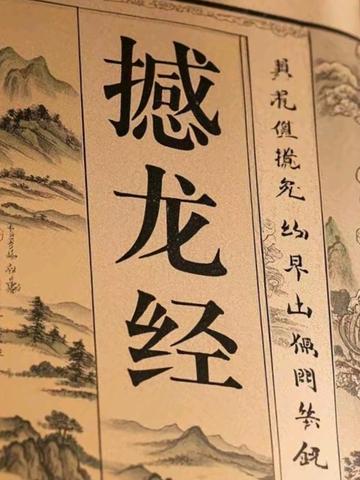 The Dragon-Shaking Classic in Plain Language
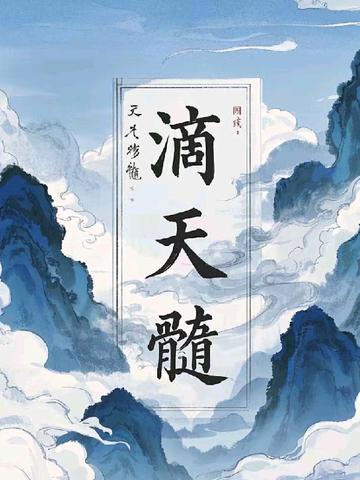 A Plain-Language Guide to Di Tian Sui
What a great book.
Good