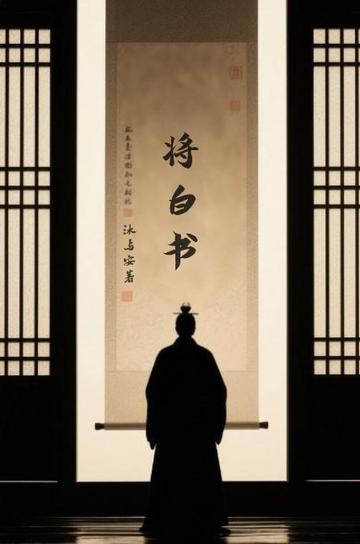
Key plot points:
1. An imperial examination fraud scandal exposes the ugly side of the great clans.
2. The massacre of a poor scholar’s family reveals the reformists’ plight.
3. The leads face difficult choices between political ideals and love.
4. A string of murders unfolds amid court intrigues.
5. The failure of the reforms ultimately brings tragedy to the country and its people.
Xie Chenzhou (male lead): A censor-in-chief born to a humble family. He bears the burden of revitalizing his clan and the ideal of reform. His campaign to overhaul the imperial examinations enrages the great clans.
Cui Lingyi (female lead): The legitimate daughter of the Qinghe Cui clan, forced into a political marriage to preserve her family’s standing.
Pei Zhongming: A leader among the principled officials and a key figure in the reformist faction.
Cui Yuanqing: Head of the Cui clan and defender of the traditional aristocracy’s interests.
During the Yongchang era of the Jing kingdom, powerful clans control the court, leaving little hope for those born into poor families. Cui Lingyi is forced to marry into the imperial family, while Xie Chenzhou dies of illness on his way into exile at the frontier.
Core concepts of the new story:
History repeats itself: the Measure of Heaven from twenty years ago gives way to the Equalizing Scale twenty years later, as systems are corrupted again and again.
A new generation of characters:
Chen Yanzhou (top imperial examination candidate from a humble family, inheritor of Jiang Moshen’s ideals)
Wen Ruqing (Su Heng’s final disciple, brilliant in both medicine and investigative work)
Xue Jin (descendant of an ironworker, heir to Zhao Tiexing’s craft)
New conflicts:
1. Corruption in the measures spawned by the new Equalizing Policy.
2. The diversion of resources from farming tools to the casting of official scales.
3. A profit-driven network linking leaked imperial examination questions with the trafficking of children.