Introduction
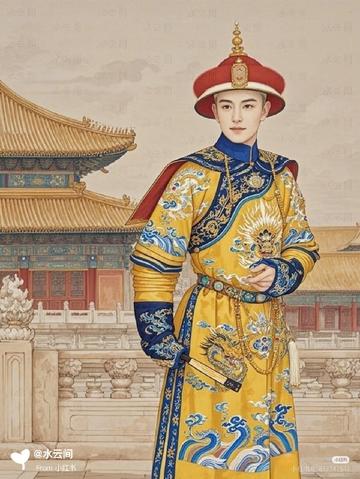
"Kung Fu Emperor Qianlong" is set during the Qianlong period of the Qing Dynasty, integrating historical, martial arts and romance elements to create a unique legendary novel. Emperor Qianlong Hongli practiced martial arts since he was a child and developed peerless martial arts. In order to imitate his grandfather Kangxi, he embarked on six journeys to the south of the Yangtze River. During the southern tour, he not only had to deal with numerous assassinations from Jianghu forces such as the Beggar Gang and the Tiandihui, but also had to deal with complex government affairs such as inspecting people's livelihood, resolving trade charter disputes, and thoroughly investigating the Heshen corruption case. In the process, Qianlong met many talented women such as Liu Yiyi, who sells calligraphy and painting, and Su Yao, who plays the guzheng, and began a series of romantic and affectionate emotional stories. In the end, Qianlong relied on his strong martial arts and extraordinary wisdom to successfully quell the rebellion in the Jianghu, solve government problems, and return to the capital to implement reforms with the insights from his southern tour.
Selling point
Unique character design: Qianlong is no longer an emperor in the traditional impression who is only good at governing. Instead, he possesses peerless martial arts, maneuvering in the rivers, lakes and courts, showing a new image of bravery and wisdom.
Diversified fusion: cleverly integrates history, martial arts, and romance elements. It not only has a true depiction of the political, economic, cultural and other social features of the Qianlong period, but also has wonderful martial arts fighting scenes, as well as a sentimental love story, which satisfies the diverse reading needs of readers.
Ups and downs of the plot: The Southern Tour assassination, political problems, and emotional entanglements are three parallel threads. The plot is ups and downs and exciting, making readers immersed in it and unable to put it down.
Cultural heritage: The novel incorporates historical and cultural content such as literary prisons, trade regulations, the compilation of "Sikuquanshu", as well as local customs and customs, enriching the novel.